

Are New Build Homes Actually More Energy Efficient?



 )
)
If you’re buying or selling a home in Florida, one of the biggest “surprise” expenses people run into is closing costs. They’re not always talked about upfront, but they can add up quickly. The good news is they’re predictable once you know what to expect.
Here’s a clear breakdown of what closing costs usually look like in Florida and how much you should budget.
Closing costs are the fees and expenses paid at the end of a real estate transaction when ownership officially changes hands. These costs are separate from your down payment and include things like lender fees, title services, taxes, and prepaid expenses.
Both buyers and sellers pay closing costs, but the amounts and types of fees differ depending on your role in the transaction.
Homebuyers in Florida typically pay 2 to 5 percent of the purchase price in closing costs.
Example: On a $400,000 home, buyer closing costs usually fall between $8,000 and $20,000.
One Florida‑specific benefit is that in most counties, the seller traditionally pays the owner’s title insurance, which helps keep buyer costs lower than in many other states. Some counties do handle this differently, so it’s always smart to confirm local customs.
Sellers generally pay about 3 percent of the home’s sale price in closing costs, not including agent commissions.
Example: On a $400,000 home, seller closing costs are usually around $12,000.
Real estate commissions are separate and commonly add another 5 to 6 percent, unless negotiated differently in the contract.
When you purchase a new construction home, closing costs are typically set in advance rather than negotiated like they often are with resale homes. Builders also run incentives throughout the year, including offers that cover closing costs to help reduce your overall expenses.
Understanding closing costs upfront helps you avoid surprises and feel confident when you get to the closing table.
If you’re looking for guidance during the mortgage process, M/I Financial is here to help. Our team works closely with buyers to simplify financing, break down closing costs, and provide clear, personalized loan options. With competitive rates and a smooth, coordinated experience, M/I Financial makes it easier to get the keys to your new home with confidence. (NMLS# 50684)
Are New Build Homes Actually More Energy Efficient?
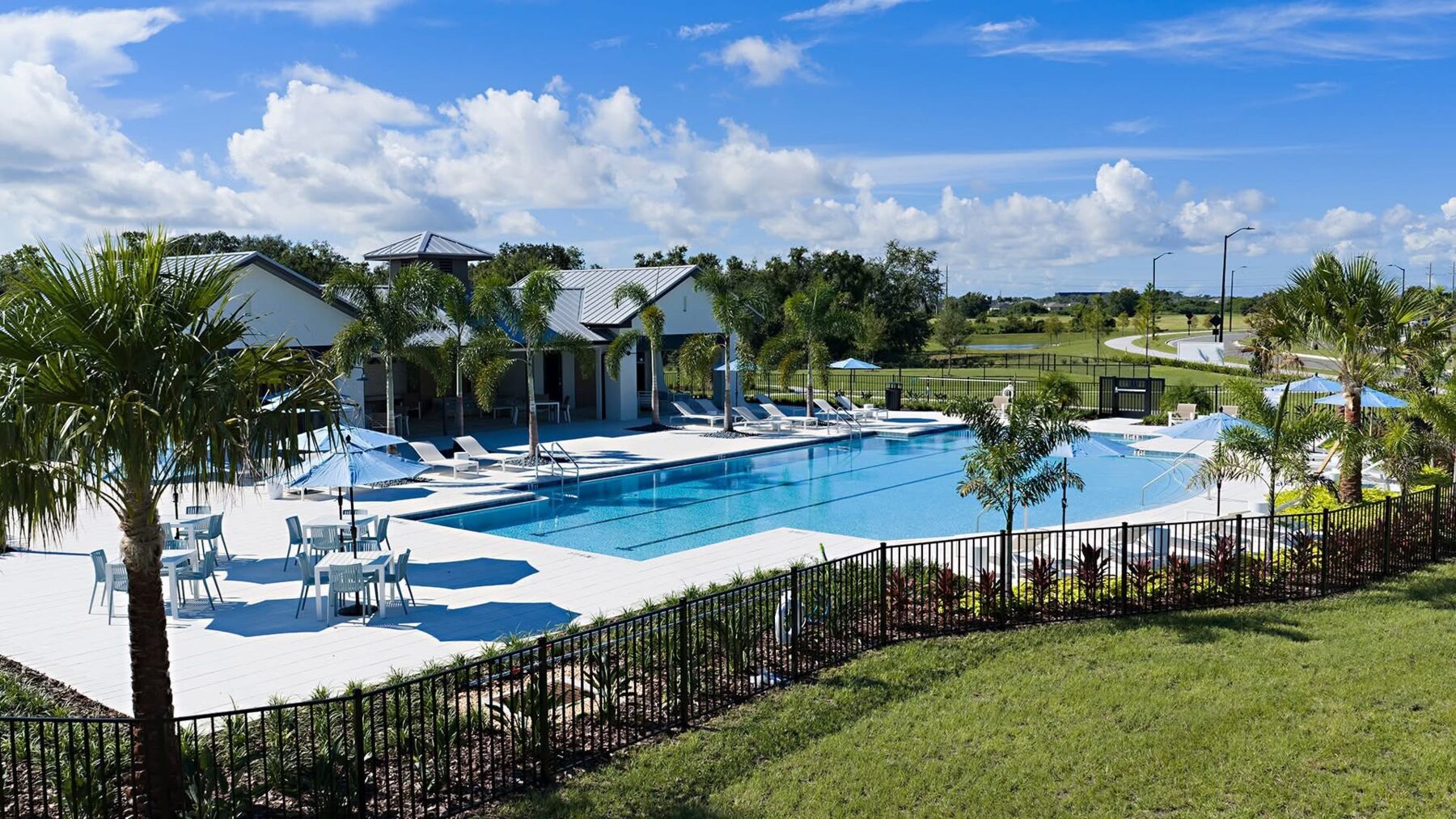
Living in Palmetto, FL
By browsing, you accept our terms of use and privacy policy.


