
Are New Build Homes Actually More Energy Efficient?


 )
)
Building a new construction home is an exciting milestone, but one of the very first questions most buyers ask is simply: How long is this going to take?
The short answer is that a new home typically takes between 6 and 10 months to complete from the time the contract is signed. However, the exact timeline depends heavily on the type of builder you choose, the size of your home, your geographic location, and how smoothly the local permitting process goes.
According to comprehensive data from the U.S. Census Bureau Survey of Construction, the national average for a professional single-family home built for sale sits right around 7 and a half months for the physical construction phase alone.
Here is a realistic look at how that time is spent, what happens during each phase, and what you can expect along the way.
When you build with an established production builder, the process is highly organized. Because the floorplans are already engineered and the construction teams are familiar with the layouts, the workflow moves efficiently from one milestone to the next.
Before any concrete can be poured, the local municipality must approve the building permits. Once approvals are in hand, construction crews clear the lot, level the dirt, and dig out the space for the foundation.
This phase includes installing the footings and pouring the concrete foundation, whether your home features a slab, crawlspace, or basement. The concrete requires several days to cure completely before any weight can be placed on it.
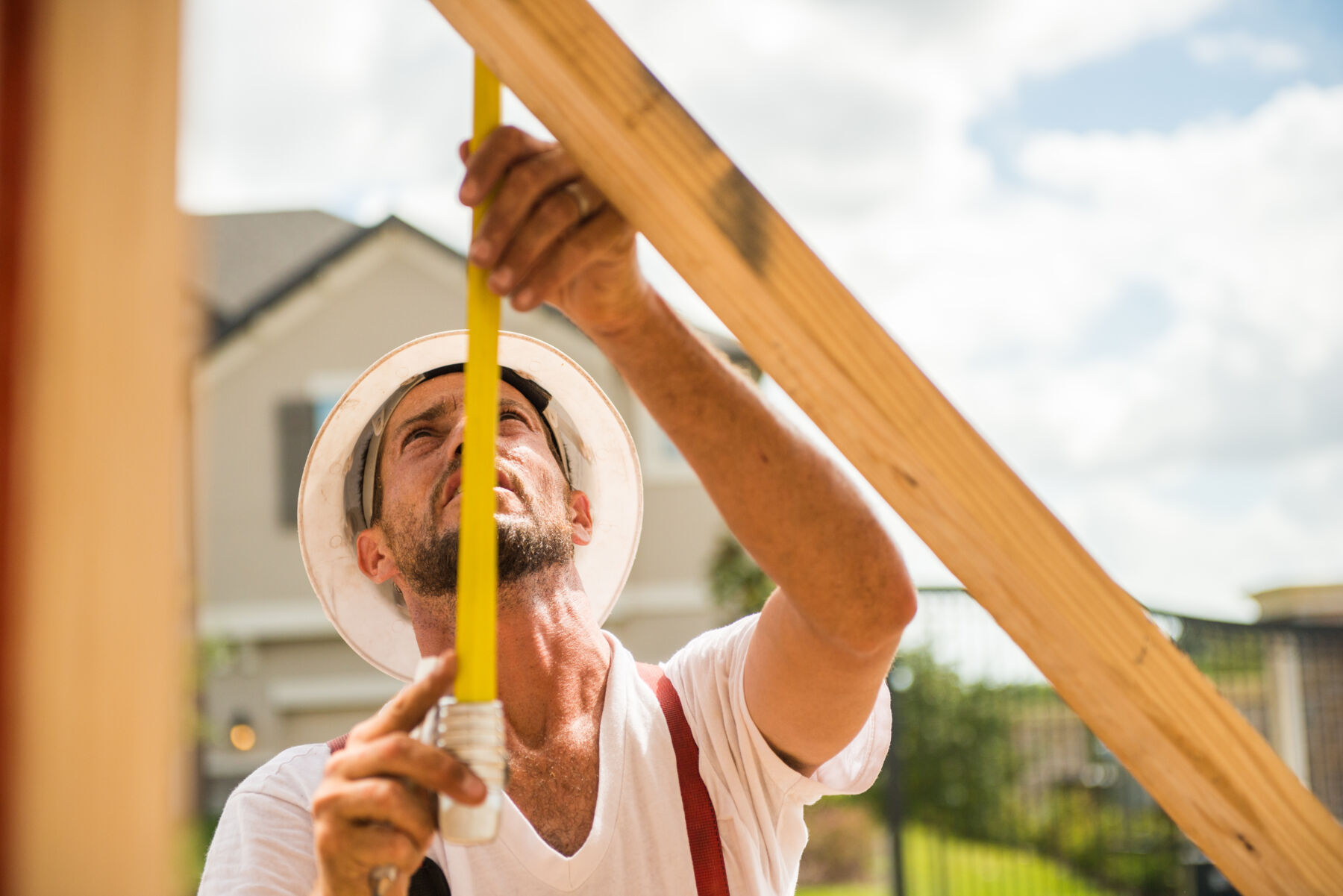
Often called the skeleton of the home, this is the stage where the house finally starts to look like a house. Crews build the interior and exterior walls, install the roof trusses, and add the exterior sheathing and house wrap to protect against weather.
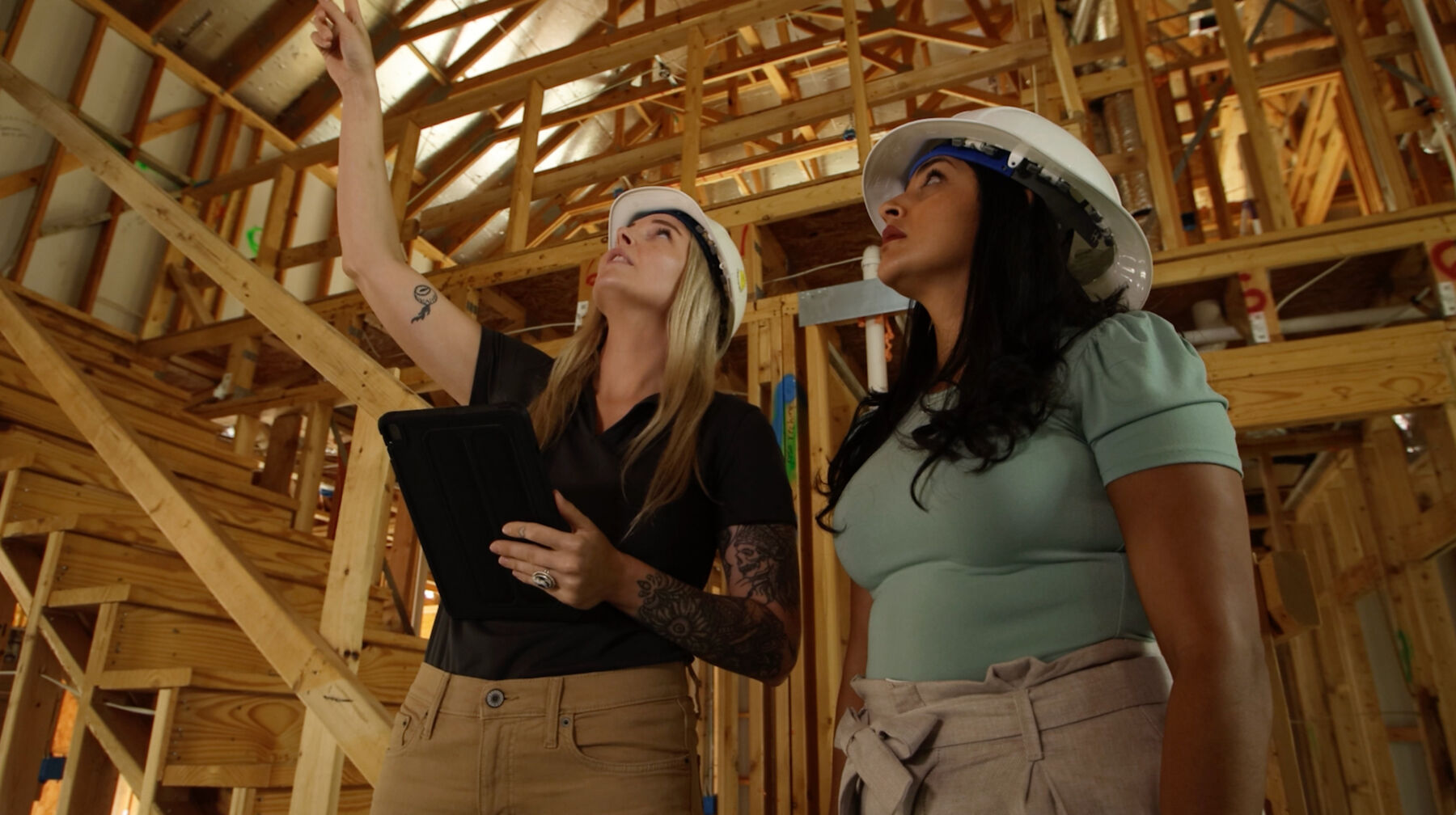
Once the frame is secure, electricians, plumbers, and HVAC technicians run wires, pipes, and ductwork through the open wall studs. This phase wraps up with a series of municipal inspections to ensure all systems meet local building codes.
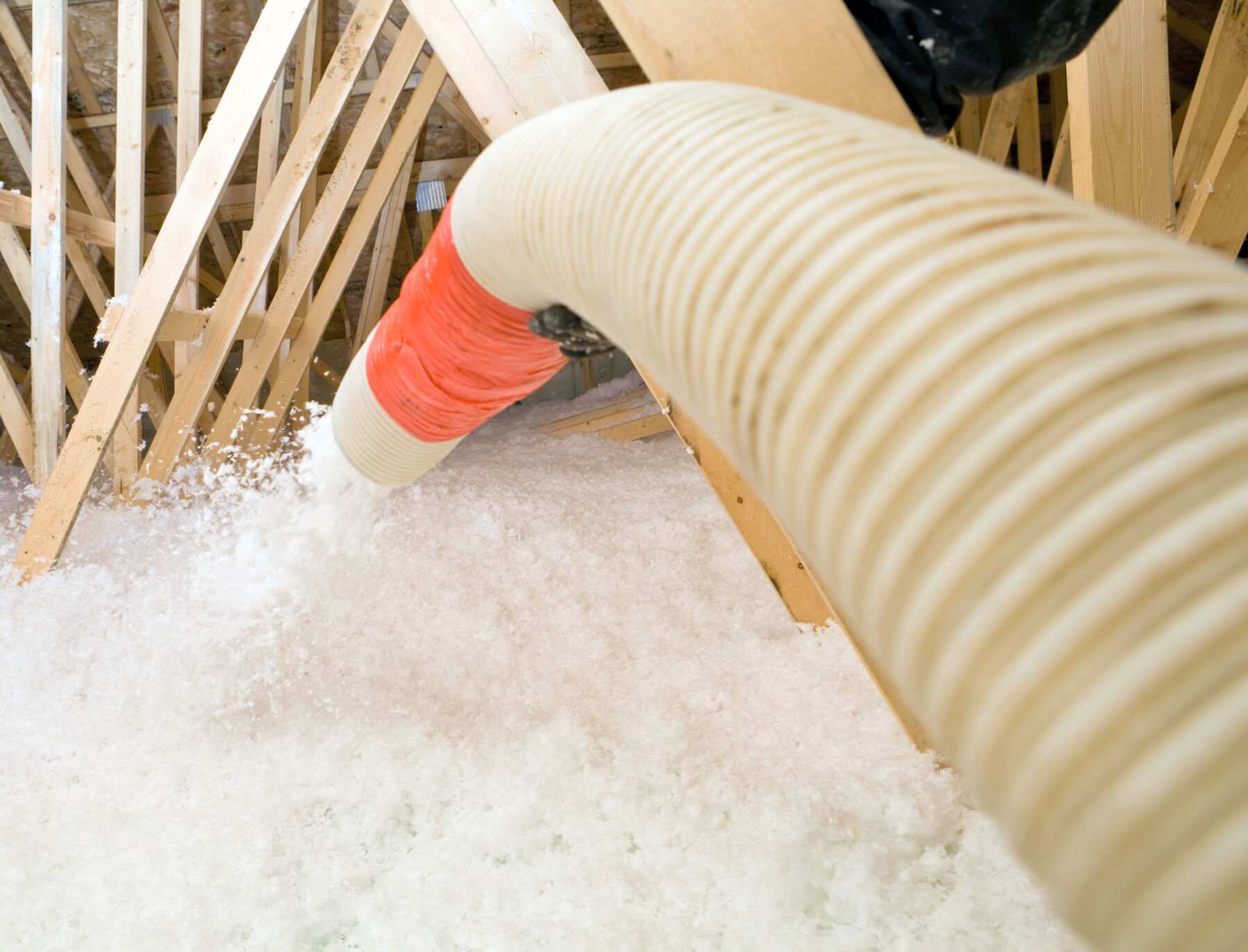
Insulation goes into the walls first to help maximize the home's energy efficiency. Next, drywall sheets are hung, taped, mudded, and sanded smooth so they are ready for paint.
This is where the home truly comes together. Interior trim, doors, cabinets, countertops, and flooring are installed. Exterior siding or brickwork is typically finished during this window as well.
Fixtures, faucets, and light switches are connected. The builder completes a final deep clean, and you will walk through the home with your construction manager to ensure every detail meets expectations before closing day.
While the steps above stay relatively consistent, a few external factors can accelerate or extend the schedule.
Where you live plays a massive role in how fast your home progresses. Annual analytics compiled by the National Association of Home Builders (NAHB) reveal a noticeable timeline gap across geographic regions. For example, single-family projects in the South Atlantic division move the fastest on average, wrap up in roughly 7 and a half months due to favorable year-round weather and a high concentration of slab-on-grade foundations that require less excavation time.
Conversely, construction timelines in the Middle Atlantic, Midwest, and New England divisions frequently stretch closer to 9 to 13 months. Builders in northern climates must contend with hard winter freezes that can pause foundation pours completely. Furthermore, colder regional climates often require extensive basement excavations or custom structural additions to handle local snow loads, adding weeks to the early phases of construction compared to warm-weather markets.
Pro Tip for Homebuyers: If you need to move quickly and cannot wait for a full build cycle, look into Quick Move-In homes. These are homes that are already under construction or fully complete, allowing you to bypass the early stages of the timeline and close in a fraction of the time.
The type of home you build is the single largest factor in your overall timeline. If you choose to build a fully custom home where an architect designs a plan from scratch, the process frequently takes 12 to 18 months or longer.
Production building moves significantly faster. Because the designs are proven, the materials are sourced reliably, and the build steps are standardized, the timeline is tightly controlled.
| Home Build Type | Average Construction Time | Key Features |
|---|---|---|
| Quick Move-In / Spec Home | 30 to 90 Days | Fully or partially built, fast closing window |
| Production Build | 6 to 10 Months | Pre-engineered plans, coordinated trade schedules |
| Fully Custom Build | 12 to 18+ Months | Unique architecture, extended design phase |
Knowing what to expect makes the entire building process smoother and more enjoyable. From the day the foundation is poured to the moment you receive your keys, working with an experienced team ensures your home is built to lasting standards.
If you are ready to find your next neighborhood or explore available homes near you, browse our new home communities to see floorplans and current availability in your area.
Are New Build Homes Actually More Energy Efficient?
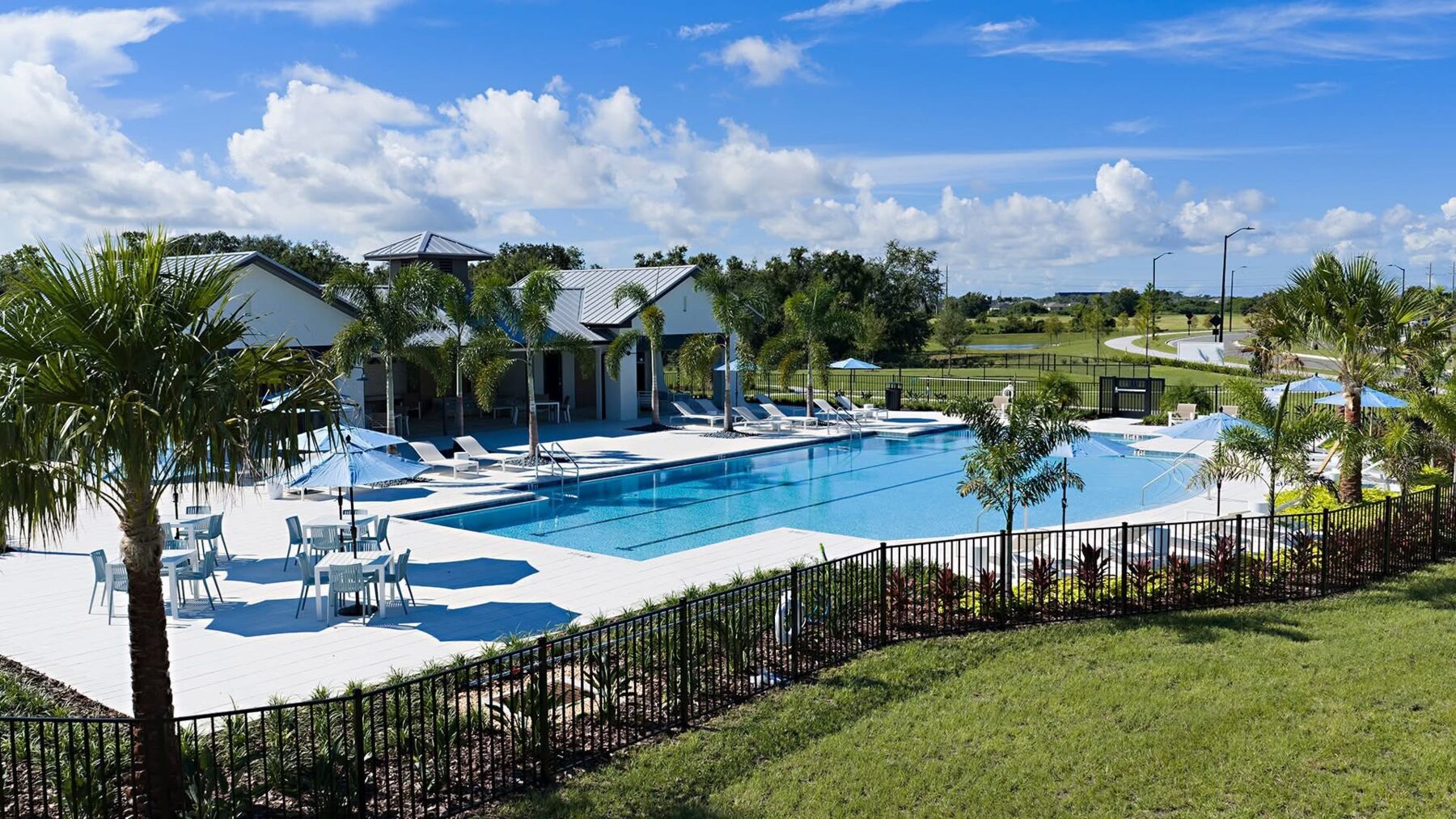
Living in Palmetto, FL
By browsing, you accept our terms of use and privacy policy.


