 )
)
- Is It Better to Build New or Buy a Resale Home in Ohio?
- Step-by-Step Process for Building a House
- How Much Does It Cost to Build a House in Ohio?
- Best Places to Build a Home in Ohio
- How Long Does It Take to Build a House?
- Benefits of Building a New Construction Home
- Frequently Asked Questions
Is It Better to Build New or Buy a Resale Home in Ohio?
Many Ohio buyers weigh the same question: should you purchase an existing home or build a brand-new one? Both options have advantages, but building new can come with benefits that are hard to replicate in resale homes—especially if you’re looking for modern layouts, energy efficiency, and fewer surprise repairs.
Advantages of Building a Home
- Customization: Choose your floorplan, design finishes, and (depending on the builder) structural options that match how you live.
- Brand-New: Fresh, never-lived-in spaces—and a clean slate ready for your style.
- Energy Efficiency: Newer construction typically includes modern insulation, efficient HVAC systems, and energy-saving windows designed to help reduce utility costs over time.
- New Home Warranties: Many builders include structural and workmanship coverage for added peace of mind.
- Builder Incentives: Some builders may offer financing incentives (like closing cost assistance or special rates) when you work with their preferred or affiliated lender.
When Buying an Existing Home May Make Sense
Purchasing a resale home may be the better fit if you need to move quickly, want a highly established neighborhood, or prefer mature landscaping and a “lived-in” community feel. That said, many builders also offer Quick Move-In options where the homesite, floorplan, and design finishes are already selected—and the home is ready (or nearly ready) to move into.
In some parts of Ohio, resale homes can offer access to more central, built-out areas where new construction is limited. If proximity to downtown districts, major employers, or specific school boundaries is a top priority, a resale home may open additional doors. Everyone’s situation is different, so it helps to clarify your must-haves (and nice-to-haves) early.
Step-by-Step Process for Building a House
1. Determine Your Budget
Start by evaluating your finances and speaking with a lender to understand your comfortable monthly payment and total purchase price. Getting pre-approved early can also help you move faster once you find the right community and homesite.
2. Choose the Right Location
Popular areas for new construction in Ohio often include major metros and their surrounding suburbs, such as:
- Columbus and Central Ohio
- Greater Cincinnati
- Dayton Metro
- Cleveland / Akron area
- Toledo and Northwest Ohio
When narrowing down location, consider commute times, school districts, everyday conveniences (shopping, dining, parks), and long-term growth or development nearby.
3. Select a Homebuilder
As you compare builders, it helps to review:
- Customer reviews and testimonials
- Experience building in your specific area (city/county)
- How transparent pricing and inclusions are
- Design options, build quality, and warranty coverage
4. Choose a Floorplan
Most builders offer multiple floorplans designed for different lifestyles—whether you want a single-story, low-maintenance paired villa, a spacious 2-story home, extra flex space for a home office, or a loft for movie nights. Depending on the build stage, you may also be able to personalize finishes such as flooring, cabinetry, countertops, and lighting.
5. Secure Financing
Many buyers finance their new home with a traditional mortgage lender or a builder-affiliated lending program. If your builder offers an affiliated lender, ask what benefits are available—sometimes that can include streamlined communication, coordinated timelines, and special incentives.
6. Construction Begins
While each build is unique, most homes follow a similar series of milestones:
- Site preparation
- Foundation (slab and/or basement, depending on plan and homesite)
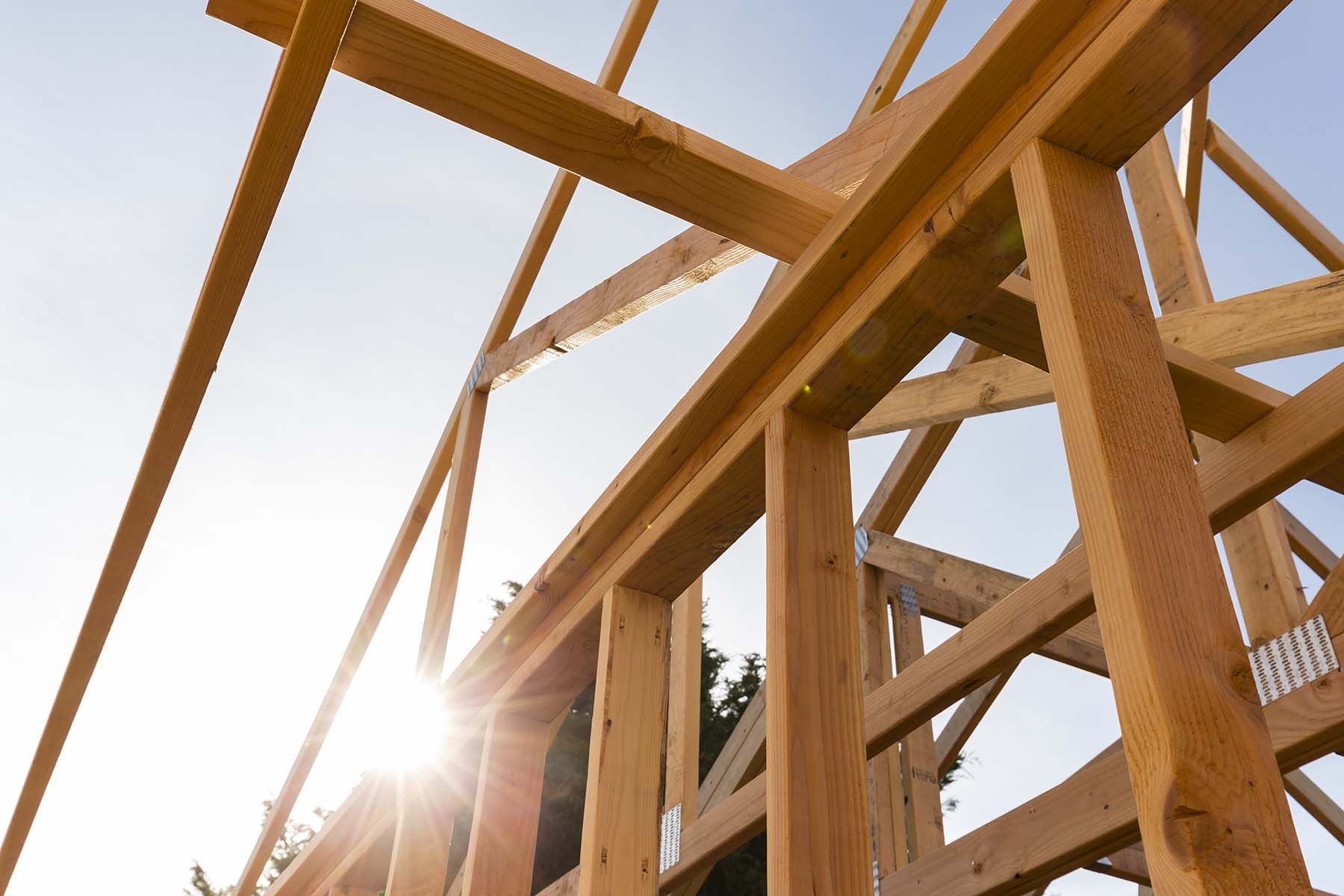
- Framing
- Mechanical rough-ins (electrical, plumbing, HVAC)
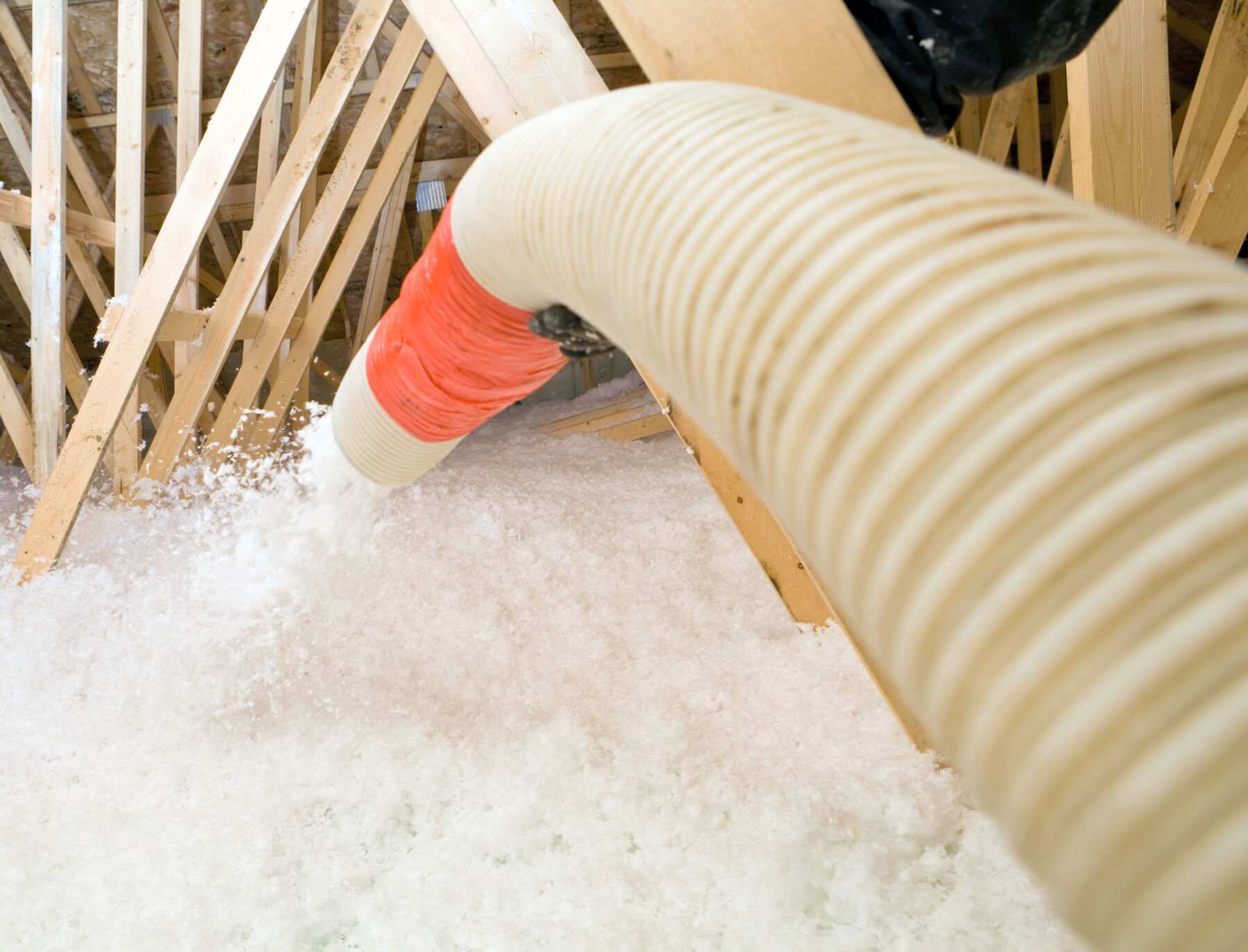
- Insulation and drywall
- Interior finishes (cabinets, flooring, trim, paint)
- Final fixtures, punch list, and completion
7. Final Walkthrough and Closing
Before closing, you’ll complete a final walkthrough to confirm the home is finished to expectations and review how key features work. After closing, you’ll receive your keys and can officially move into your new Ohio home.
How Much Does It Cost to Build a House in Ohio?
The cost of building a home in Ohio varies based on location, square footage, structural choices (like basements), materials, and how personalized your finishes are. As a general range, Ohio new home construction costs are often cited around $130 to $220 per square foot for a builder-grade home, with custom builds commonly ranging from $220 to $300+ per square foot.
Factors That Influence Building Costs
- Homesite and location: Land and homesite premiums can vary widely between metro suburbs and more rural areas.
- Foundation type: In many parts of Ohio, basements are common, and they can add cost compared to a slab foundation.
- Materials and labor: Pricing can shift based on material availability and labor demand.
- Design selections and upgrades: Flooring, cabinets, countertops, fixtures, and structural options can significantly impact the final price.
- Permits and local fees: Permit requirements and costs vary by city and county.
Best Places to Build a Home in Ohio
Columbus & Central Ohio
Central Ohio continues to attract buyers looking for strong employment opportunities, a growing restaurant and entertainment scene, and easy access to parks and day-to-day conveniences. Suburbs like Dublin, Hilliard, Powell, and Delaware are especially popular for new construction.
Greater Cincinnati
The Cincinnati region offers a great mix of established neighborhoods and fast-growing suburbs—often appealing to buyers who want a blend of community feel and easy access to major highways, employment hubs, and weekend destinations.
Dayton Metro
Dayton-area communities are often a strong fit for buyers who want suburban comfort, access to parks and recreation, and connectivity to both Dayton and Cincinnati corridors.
Cleveland / Akron Area
Northeast Ohio can be a great option for buyers who want proximity to major healthcare and education employers, waterfront access near Lake Erie, and a wide range of neighborhood character—from urban revival areas to quiet outer-ring suburbs.
Toledo & Northwest Ohio
Northwest Ohio often appeals to buyers who want affordability, access to regional employers, and convenient travel routes toward Michigan and Indiana.
How Long Does It Take to Build a House?
Timelines vary depending on the builder, the type of home, permit complexity, and seasonal weather. In many cases, buyers can expect the overall process—from planning through completion—to fall in the “several months” range, with construction time often taking the largest share.
| Phase | Typical Timeline |
|---|---|
| Planning & Financing | 1–3 months |
| Permits | 4–8 weeks |
| Construction | 6–10 months |
| Final Walkthrough & Closing | 1–2 weeks |
Ohio weather can also play a role—especially during winter and early spring—so it’s smart to ask your builder how seasonality may affect your specific timeline.
Tips for Building a Home in Ohio
- Tour model homes to compare layouts, included features, and finish quality in person.
- Ask what’s included vs. optional early, so your budget stays realistic (and surprises stay minimal).
- Factor in “non-glam” costs like landscaping, window treatments, fencing, and patios.
- Discuss foundation options (slab vs. basement) and what’s typical for your area and homesite.
- Stay engaged during milestones—periodic check-ins help you feel confident as the home comes together.
Benefits of Building a New Construction Home
Beyond being the first to live in your home, new construction can offer long-term value in how your home functions day to day. Modern floorplans often prioritize open living areas, flexible spaces, and storage—plus the ability to choose design finishes that match your style from the start.
- Designed for modern living: Open layouts, flexible rooms, and smart storage are common in today’s floorplans.
- More predictable maintenance: Everything is new—so major system replacements typically aren’t immediate concerns.
- Energy-conscious features: Many new homes incorporate efficiency-minded construction practices and newer systems.
- A home that fits your life: Whether you need a home office, guest suite, or extra space to grow, building can help you align the home to your lifestyle.
Frequently Asked Questions
Is it cheaper to build or buy a house in Ohio?
It depends. Building can cost more upfront, but it will reduce near-term maintenance and allow you to prioritize the features you care about most. Buying resale may be less expensive initially and can offer more established locations—especially closer to major downtown cores.
How long does it take to build a home in Ohio?
Many new homes take several months from start to finish, though the timeline depends on permitting, the home type, and seasonal weather. Your builder can give you the best estimate based on your homesite and plan.
Do you need to buy land before building a house?
Not necessarily. Many builders offer homesites within planned communities, which allows you to build a new home without purchasing land separately.
Whether you decide to build new or purchase a resale home, understanding the process is the first step toward a smoother homebuying experience. If building a home in Ohio is on your radar, exploring available communities, floorplans, and move‑in ready options can help you find the best fit for your lifestyle and goals.