
 )
)
- Is It Better to Build New or Buy a Resale Home in North Carolina?
- Step-by-Step Process for Building a House
- How Much Does It Cost to Build a House in North Carolina?
- Permits and Building Regulations in North Carolina
- Best Places to Build a Home in North Carolina
- How Long Does It Take to Build a House?
- Benefits of Building a New Construction Home
- Frequently Asked Questions
Is It Better to Build New or Buy a Resale Home in North Carolina?
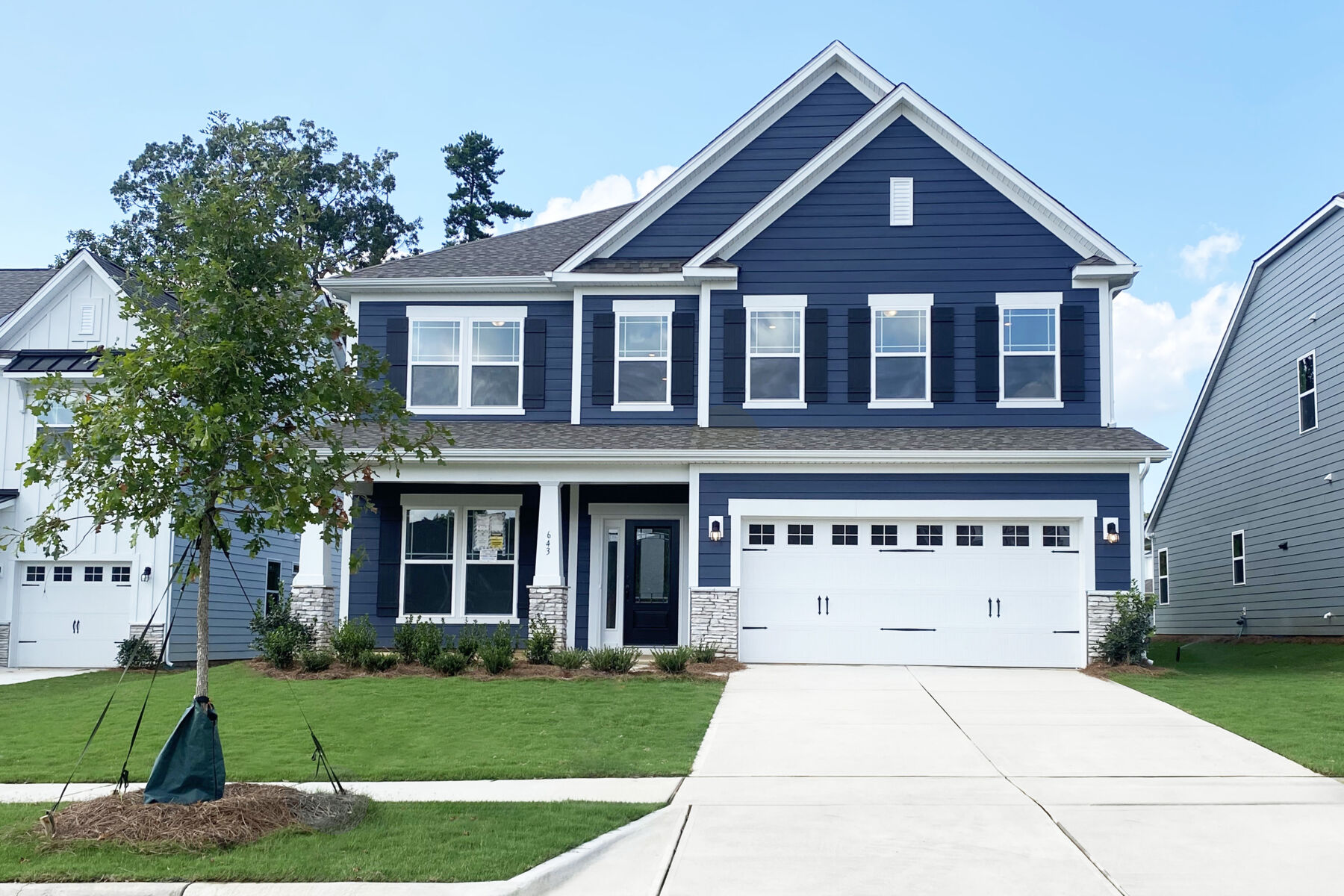
Many buyers in North Carolina find themselves weighing the benefits of purchasing an existing home versus building new. While both options have their advantages, new construction offers flexibility and modern features that can be harder to find in resale homes.
Advantages of Building a Home
- Customization: Choose your floorplan, structural options, and interior finishes that suit your lifestyle.
- Brand-New: Enjoy a never-lived-in home with modern layouts and fresh design.
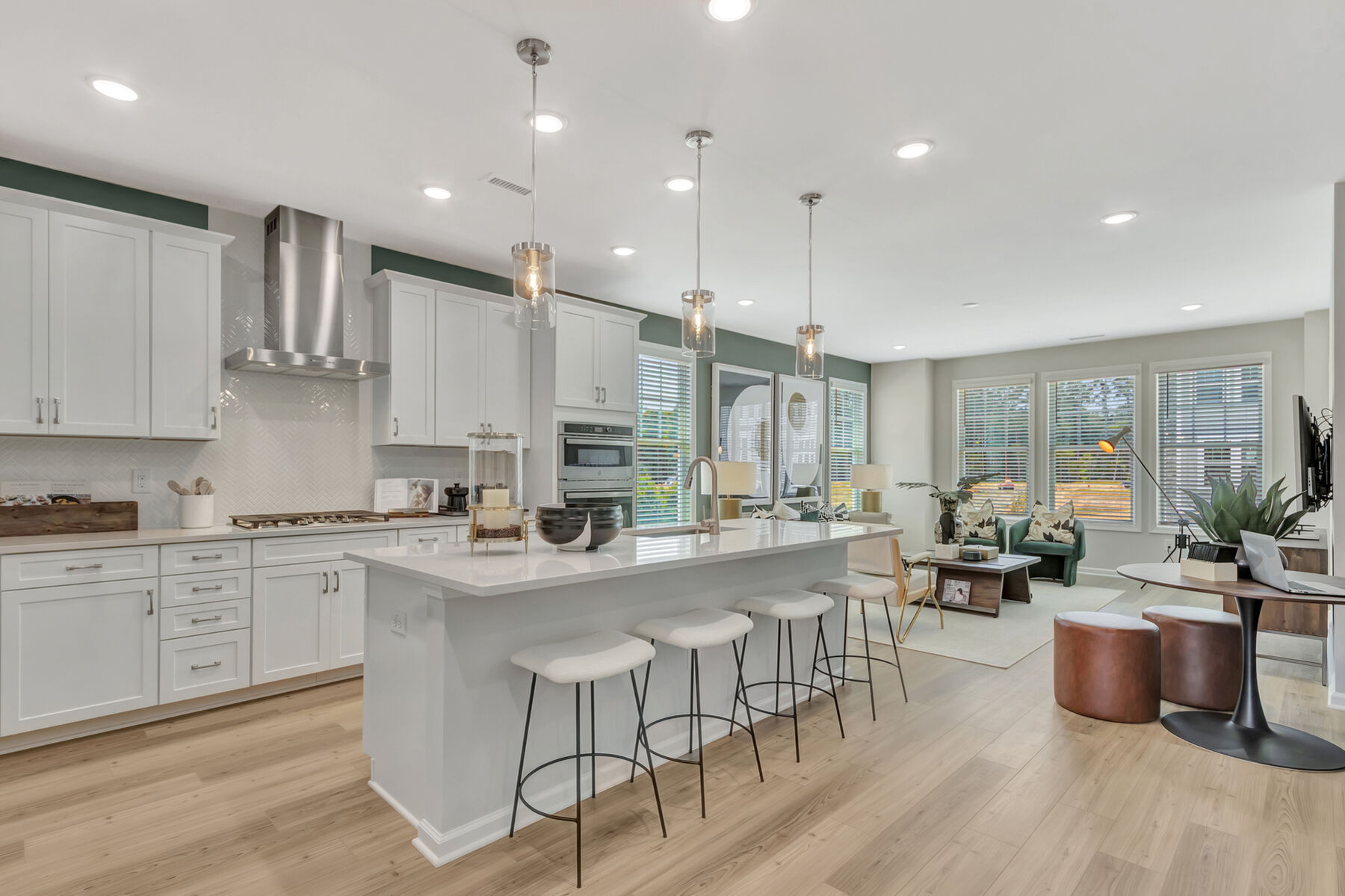
- Energy Efficiency: New homes are typically built with updated insulation, energy-efficient HVAC systems, and modern windows.
- New Home Warranties: Many builders include warranties covering workmanship and structural components.
- Builder Incentives: Some builders offer financing incentives or closing cost assistance, particularly when using a preferred or in-house lender.
When Buying an Existing Home May Make Sense
A resale home may be a better option if you need to move quickly, want a mature neighborhood, or are looking for a specific location where new construction is limited. That said, many builders also offer Quick Move-In homes, which are new construction homes that are already underway or completed and ready for a faster move-in timeline.
In some North Carolina markets—particularly near downtown areas or along the coast—resale homes may provide more inventory options. Understanding your priorities, timeline, and location preferences will help determine which path makes the most sense for you.
Step-by-Step Process for Building a House
1. Determine Your Budget
Start by reviewing your finances and connecting with a lender to understand your budget and monthly payment range. Getting pre-approved early can help streamline the process once you find the right community and floorplan.
2. Choose the Right Location
Popular areas for new construction in North Carolina include:
- Raleigh–Durham & the Triangle
- Charlotte Metro
- Greensboro / Winston-Salem / High Point
- Coastal regions
- Western North Carolina & mountain communities
When selecting a location, consider commute times, school districts, proximity to shopping and dining, and future growth in the area.
3. Select a Homebuilder
When comparing builders, look for:
- Customer reviews and homeowner feedback
- Experience building in your specific market
- Clear pricing and included features
- Design options and warranty coverage
4. Choose a Floorplan
Builders typically offer a variety of floorplans designed for different lifestyles—from open-concept layouts to homes with first-floor owner’s suites, flex spaces, or lofts. Depending on the build stage, you may also personalize finishes like flooring, cabinetry, countertops, and fixtures.
5. Secure Financing
Most buyers finance their new home through a mortgage lender or a builder-affiliated financing program. Builder-affiliated lenders may offer streamlined communication and potential incentives, making the process feel more seamless.
6. Construction Begins
- Site preparation
- Foundation
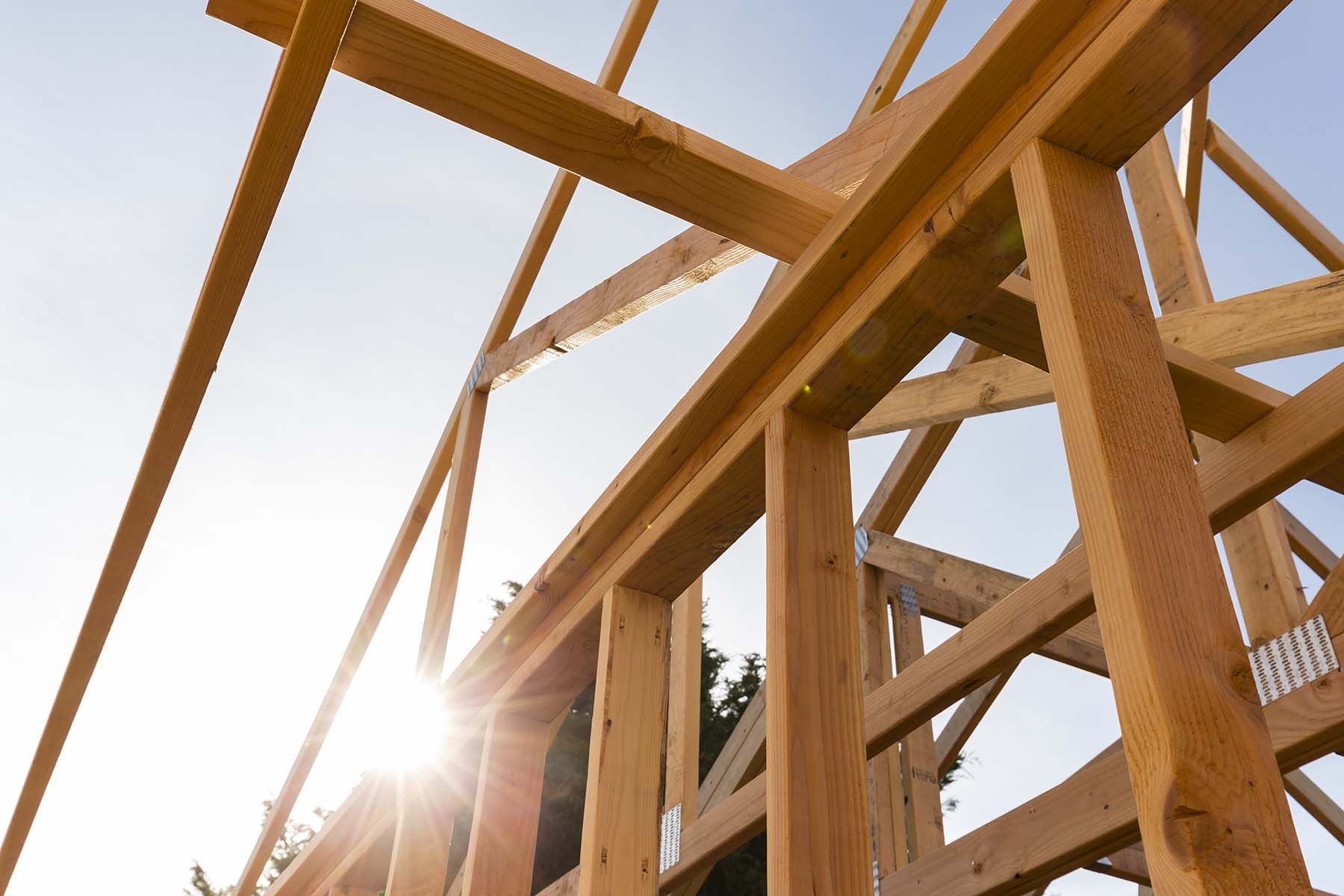
- Framing
- Electrical, plumbing, and HVAC installation
- Insulation and drywall
- Interior finishes and final details
7. Final Walkthrough and Closing
Before closing, you’ll complete a final walkthrough to ensure everything meets expectations. After closing, you’ll receive the keys to your brand-new North Carolina home.
How Much Does It Cost to Build a House in North Carolina?
The cost of building a home in North Carolina varies based on location, square footage, materials, and design choices. On average, new construction costs typically range from $150 to $250 per square foot, with higher costs in fast-growing metro areas and custom homes.
Factors That Influence Building Costs
- Homesite location: Urban and coastal areas often come with higher land costs.
- Home size and layout: Larger homes and complex designs increase costs.
- Materials and labor: Finish selections and labor availability impact pricing.
- Design upgrades: Premium finishes and structural options add to the total cost.
- Permits and local fees: Costs vary by municipality.
Permits and Building Regulations in North Carolina
New homes in North Carolina must comply with the North Carolina Residential Code, which is based on national building standards and enforced by local building departments.
Permits, inspections, and approvals are handled at the city or county level. An experienced builder will manage this process for you, ensuring your home meets all applicable codes and regulations.
Best Places to Build a Home in North Carolina
Raleigh–Durham & The Triangle
Known for strong job growth, top universities, and a thriving tech scene, the Triangle continues to attract buyers looking for modern communities and long-term value.
Charlotte Metro
Charlotte offers a mix of urban energy and suburban comfort, with easy access to major employers, entertainment, and travel hubs.
The Triad
Greensboro, Winston-Salem, and High Point appeal to buyers seeking affordability, central location, and a strong sense of community.
Coastal North Carolina
Coastal communities offer a relaxed lifestyle with beach access, though buyers should consider additional regulations and insurance requirements in these areas.
Western North Carolina
Mountain regions provide scenic views, outdoor recreation, and a quieter pace of life—often appealing to second-home buyers or retirees.
How Long Does It Take to Build a House?
Timelines vary depending on the builder, home design, permitting, and weather, but most new homes follow a general schedule:
| Phase | Typical Timeline |
|---|---|
| Planning & Financing | 1–3 months |
| Permits | 4–8 weeks |
| Construction | 6–10 months |
| Final Walkthrough & Closing | 1–2 weeks |
Benefits of Building a New Construction Home
- Modern floorplans designed for today’s lifestyles
- Lower maintenance with brand-new systems and materials
- Energy-efficient features that support long-term savings
- The ability to personalize your home from the start
Frequently Asked Questions
Is it cheaper to build or buy a house in North Carolina?
It depends on location and priorities. Building may cost more upfront, but it offers customization and fewer immediate maintenance concerns. Buying resale may provide quicker move-in options and established neighborhoods.
How long does it take to build a home in North Carolina?
Most new homes take several months to complete, depending on design complexity, permitting, and weather conditions.
Do you need to buy land before building a house?
Not necessarily. Many builders offer homesites within planned communities, allowing buyers to build without purchasing land separately.
Whether you choose to build new or buy resale, understanding the process is key to a smooth homebuying experience. If building a home in North Carolina is on your radar, exploring available communities, floorplans, and move‑in ready options can help you find the right fit for your lifestyle and goals.