
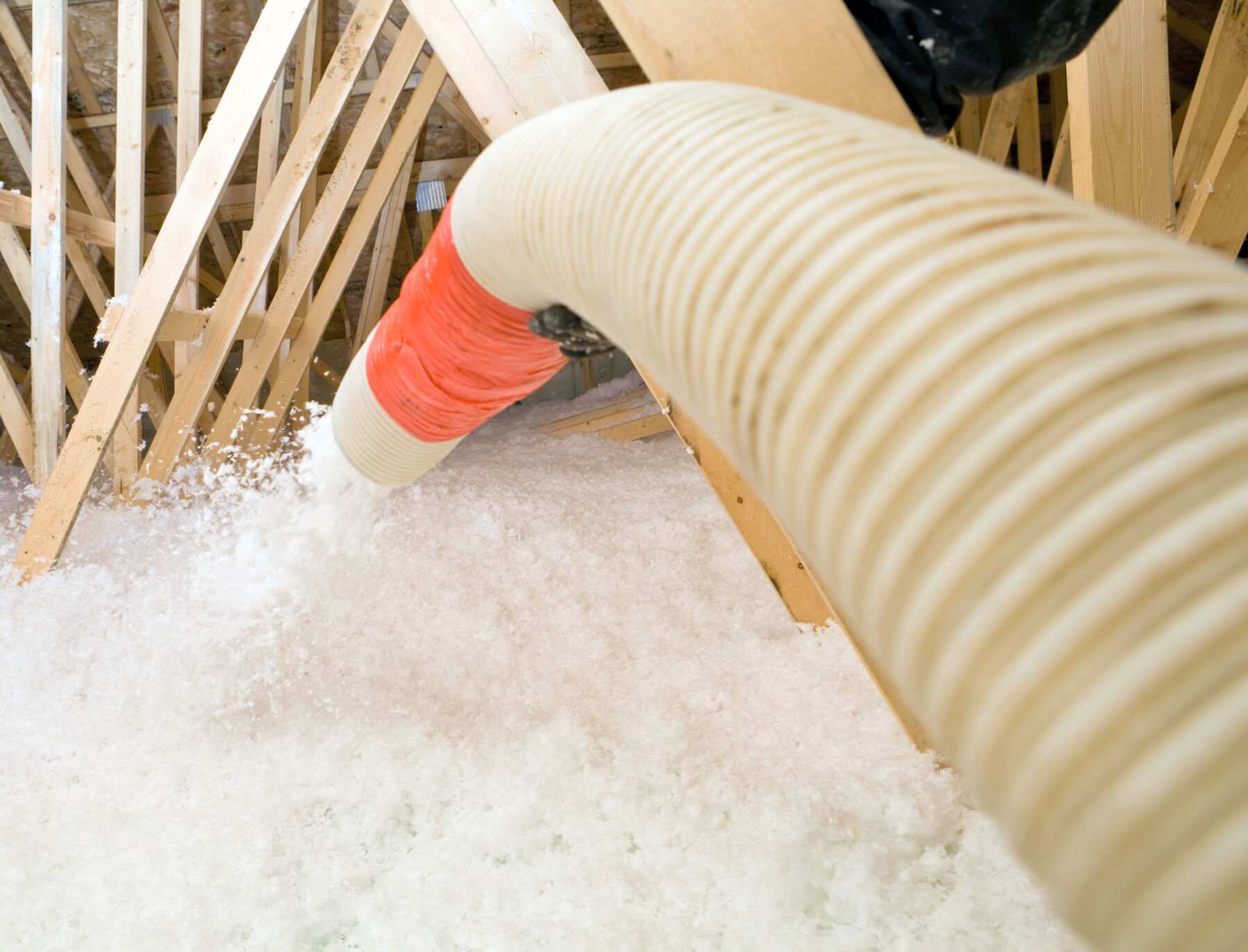
Are New Build Homes Actually More Energy Efficient?

 )
)
Building a house in Florida offers the opportunity to create a home that fits your lifestyle, climate preferences, and long-term plans. With year-round sunshine, strong population growth, and a wide range of communities, the Sunshine State remains one of the most popular states for new construction homes.
While building a home is an exciting journey, the process includes several important steps. From selecting the right homesite and floorplan to navigating design decisions, financing, and timelines, understanding what to expect can help make the experience smoother and more predictable.
Whether you’re building your first home, relocating, or upgrading to a brand-new one, this buyer’s guide covers everything you need to know about building a home in Florida, including costs, timelines, and helpful tips for navigating the process:
Florida homebuyers often weigh whether to purchase an existing home or build a new one. While both options have advantages, new construction offers modern design, energy efficiency, and the ability to better prepare for Florida’s climate.
A resale home may be the right fit if you need to move quickly, want a mature neighborhood, or are shopping in a highly established area where new construction is limited. That said, many builders also offer Quick Move-In homes, which are new construction homes already under construction or completed and available on a shorter timeline.
In some coastal and downtown-adjacent areas of Florida, resale homes may provide more inventory options. Understanding your priorities, timeline, and location preferences can help determine whether building new or buying resale is the better choice.
Begin by reviewing your finances and speaking with a lender to understand your budget and monthly payment comfort level. Getting pre-approved early can help simplify the process once you find the right community and floorplan.
Popular areas for new construction in Florida include:
When choosing a location, consider commute times, proximity to beaches or attractions, school districts, amenities, and future development in the area.
When comparing builders, look for:
Builders typically offer floorplans designed for indoor-outdoor living, open-concept layouts, and flexible spaces. Many Florida homes also include covered lanais or outdoor living areas that extend usable space year-round.
Most buyers finance their new home through a mortgage lender or builder-affiliated financing program. Builder-affiliated lenders may offer a more coordinated experience and potential incentives.
Before closing, you’ll complete a final walkthrough to ensure everything meets expectations. After closing, you’ll receive the keys to your new Florida home.
The cost to build a home in Florida varies based on location, square footage, materials, and design choices. On average, new construction costs often range from $160 to $260 per square foot, with higher costs common in coastal and high-demand metro areas.
New homes in Florida must comply with the Florida Building Code, which includes specific requirements related to wind resistance, storm protection, and energy efficiency.
Permits, inspections, and approvals are handled at the city or county level. An experienced builder will manage this process to help ensure your home meets all applicable requirements.
Southwest Florida attracts buyers seeking coastal living, golf communities, and a relaxed lifestyle with easy access to beaches, dining, and outdoor recreation.
Sarasota offers a blend of cultural attractions, beaches, and upscale communities, making it popular with both full-time residents and retirees.
Tampa, St. Petersburg, and surrounding suburbs provide strong job growth, entertainment, and a wide range of suburban and urban living options.
Orlando continues to grow thanks to tourism, healthcare, and technology industries, offering family-friendly communities and convenient access to major attractions.
Timelines vary depending on the builder, home design, permitting, and weather conditions, but most new homes in Florida follow a similar schedule:
| Phase | Typical Timeline |
|---|---|
| Planning & Financing | 1–3 months |
| Permits | 4–8 weeks |
| Construction | 6–10 months |
| Final Walkthrough & Closing | 1–2 weeks |
It depends on location and priorities. Building may cost more upfront but offers customization and fewer immediate repairs. Buying resale may provide faster move-in options and established neighborhoods.
Most new homes take several months to complete, depending on permitting, weather, and design complexity.
Not necessarily. Many builders offer homesites within planned communities, allowing buyers to build without purchasing land separately.
Whether you decide to build new or purchase a resale home, understanding the process is key to a smooth homebuying experience. If building a home in Florida is on your radar, exploring available communities, floorplans, and move‑in ready options can help you find the right fit for your lifestyle and long-term goals.
Are New Build Homes Actually More Energy Efficient?
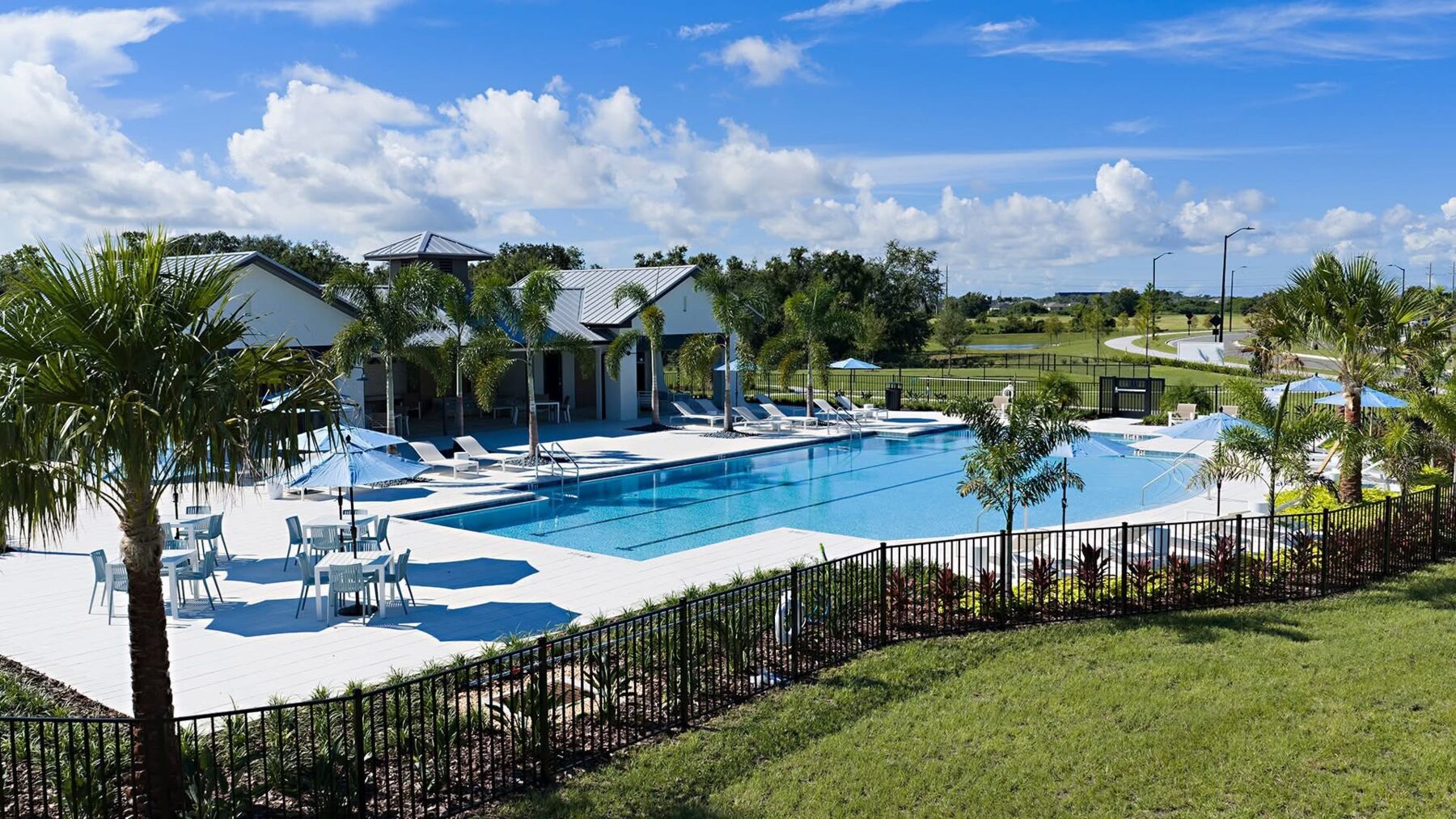
Living in Palmetto, FL
By browsing, you accept our terms of use and privacy policy.


