

Are New Build Homes Actually More Energy Efficient?
 )
)
The steps to build a home follow a 7-phase journey: floorplan selection, mortgage pre-approval, Design Studio choices, site prep and foundation, framing and drywall build, milestone walkthroughs, and closing.
Embarking on the journey to build a new construction home is an empowering experience. Unlike buying a pre-owned property, building new allows you to personalize your layout, select modern energy-efficient features, and watch your vision come to life from the ground up.
To help you navigate the process with confidence, this guide breaks down the essential buyer steps, typical timelines, and key milestones you will encounter from your initial consultation to moving day.
| Process Phase | Primary Milestone | Average Timeframe | Key Action Items |
|---|---|---|---|
| 1. Discovery & Site Selection | Choosing a floorplan and homesite | 1 to 3 Weeks | Explore floorplans, tour model homes, and reserve your lot. |
| 2. Financing & Contract | Securing loan pre-approval | 1 to 2 Weeks | Submit financial documents and calculate estimated monthly payments. |
| 3. Design Personalization | Design Studio selection appointment | 2 to 4 Weeks | Select cabinetry, flooring, countertops, exterior finishes, and smart home tech. |
| 4. Permitting & Site Prep | Permit approvals & pouring the foundation | 1 to 2 Months | Clear the lot, excavate, pour footings/slab, and allow concrete to cure. |
| 5. Framing & Physical Build | Framing, mechanicals, & drywall | 3 to 4 Months | Watch structural framing go up, followed by HVAC/plumbing, insulation, and drywall. |
| 6. Quality Orientations | Pre-drywall & final walkthroughs | 1 to 2 Weeks prior to close | Inspect mechanical rough-ins and conduct your New Home Orientation. |
| 7. Closing & Move-In | Loan funding & key handover | Closing Day | Sign final closing disclosures, fund your loan, and receive your keys. |
The journey begins with finding the right layout and location for your lifestyle. Before dirt is moved, you will work with a consultant to evaluate floorplan options, structural add-ons (such as guest suites or covered patios), and lot orientations. When you are ready to explore available neighborhood options, you can find your community to tour model homes and review site maps.
Once you select a homesite and floorplan, the next step is establishing your purchase contract and securing financing. Partnering with a dedicated mortgage lender early simplifies financing your home and establishes clear budget boundaries before you select interior finishes. According to guidelines from the Consumer Financial Protection Bureau (CFPB), securing early pre-approval helps streamline underwriting and locks in interest rate options early in the timeline.
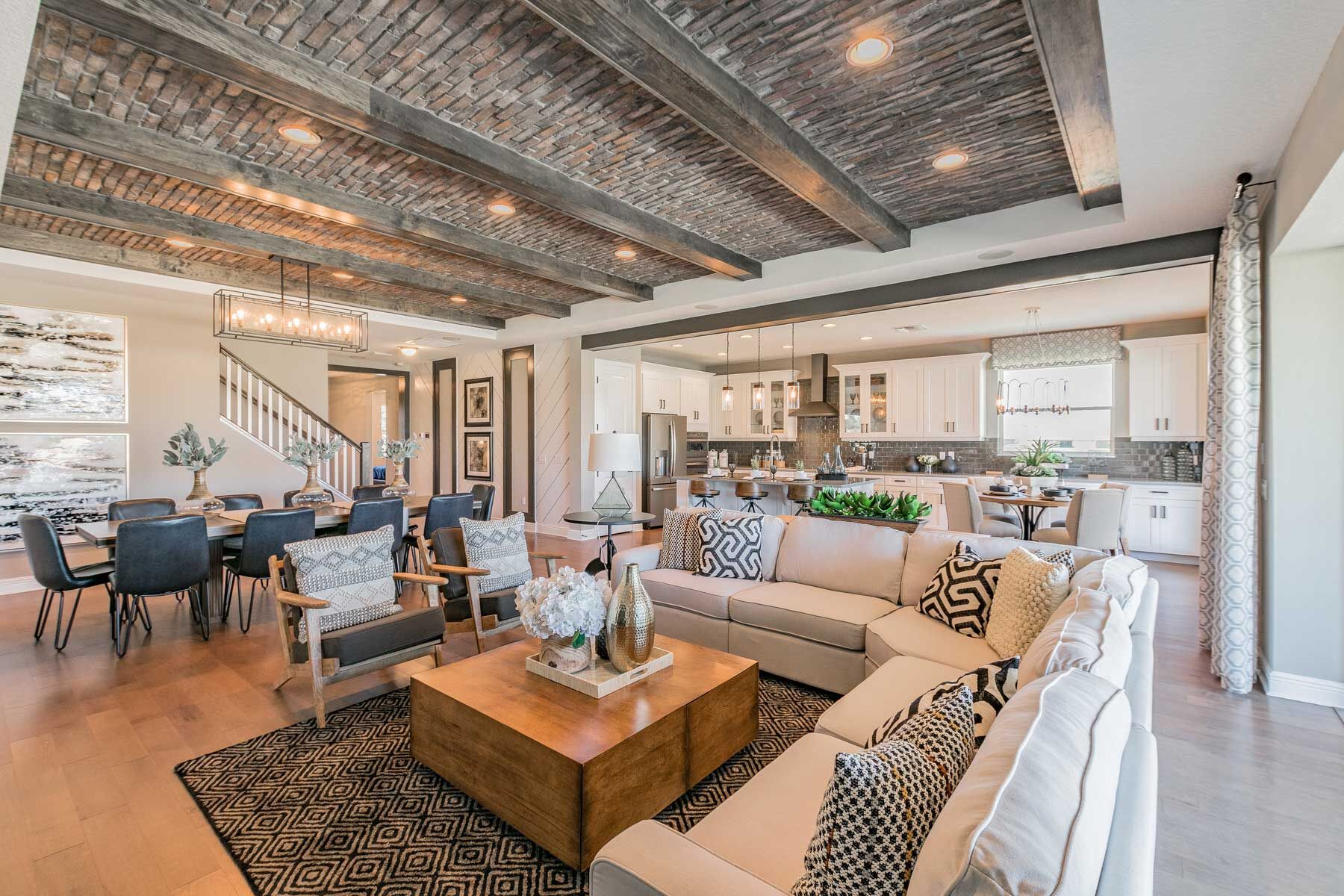
One of the most rewarding steps in building new is tailoring the interior and exterior to match your personal aesthetic. During your dedicated appointment at the Design Studio, professional design consultants guide you through selecting kitchen cabinetry, quartz or granite countertops, flooring materials, hardware finishes, and exterior color palettes.
Once local municipal building permits are approved, physical site work begins. Crews clear and grade the lot, excavate for utility lines, and pour the concrete foundation (either a slab, crawlspace, or basement). According to standard engineering guidelines, concrete requires adequate time to cure before heavy framing materials can be placed on top.
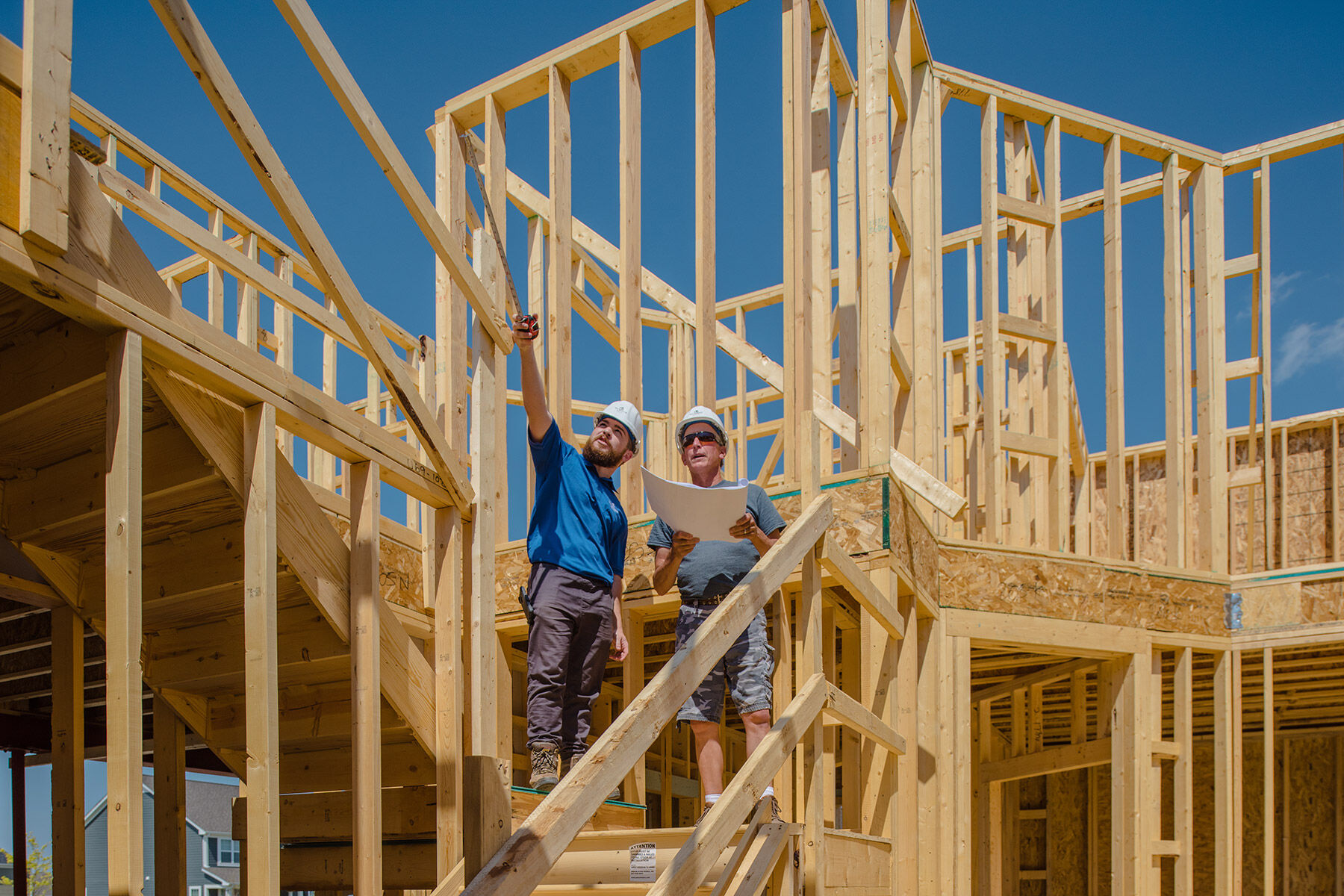
This is the most visible phase of construction. Structural framing goes up, followed by roof trusses, exterior house wrap, and window installations. Specialized trade crews then install mechanical rough-ins—including HVAC ductwork, plumbing lines, and electrical wiring. Once municipal rough-in inspections are approved, insulation and drywall seal the structure to prepare for interior trim, cabinetry, and flooring.
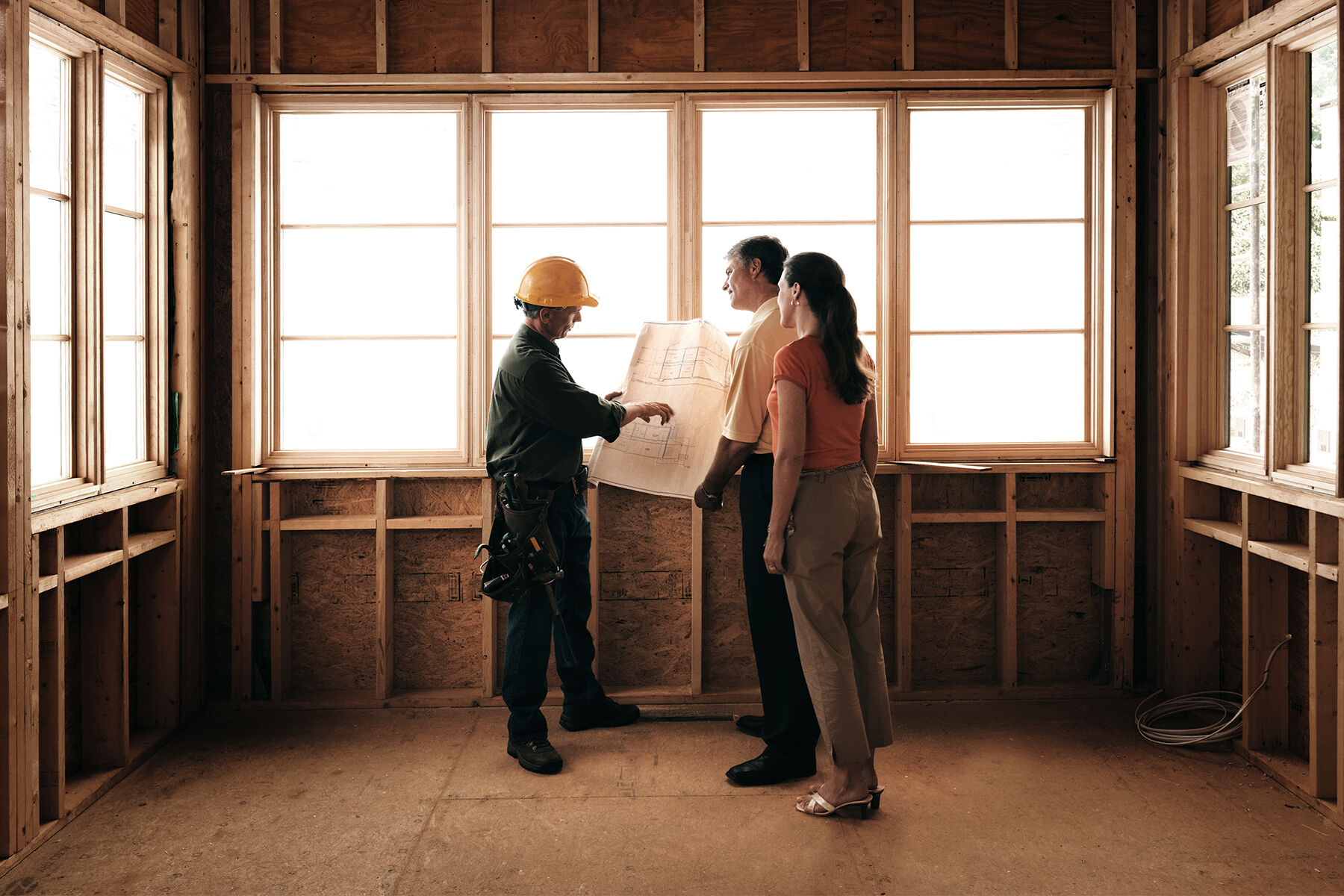
Quality assurance takes place at critical junctures during the build. You will meet on site with your Construction Manager for two key orientations:
Once final municipal certificate-of-occupancy permits are issued and final lender funding is approved, you will complete closing paperwork, transfer final funds, and receive the keys to your brand-new home. To review the complete end-to-end roadmap from pre-construction to moving day, explore our complete guide to the new home construction process steps.
On average, the full process takes between 6 to 9 months. This timeline accounts for initial contract signing, design studio appointments, municipal permitting (typically 30–60 days), and physical job site construction (4–6 months).
A pre-drywall inspection occurs while internal wall studs, electrical wires, and plumbing pipes are fully visible. A final walkthrough occurs right before closing on a fully finished home to verify cosmetic details, paint touch-ups, and appliance operations.
Design options and structural upgrades are generally finalized during your Design Studio appointments and rolled directly into your overall home purchase price and mortgage loan structure prior to site excavation.
Are New Build Homes Actually More Energy Efficient?
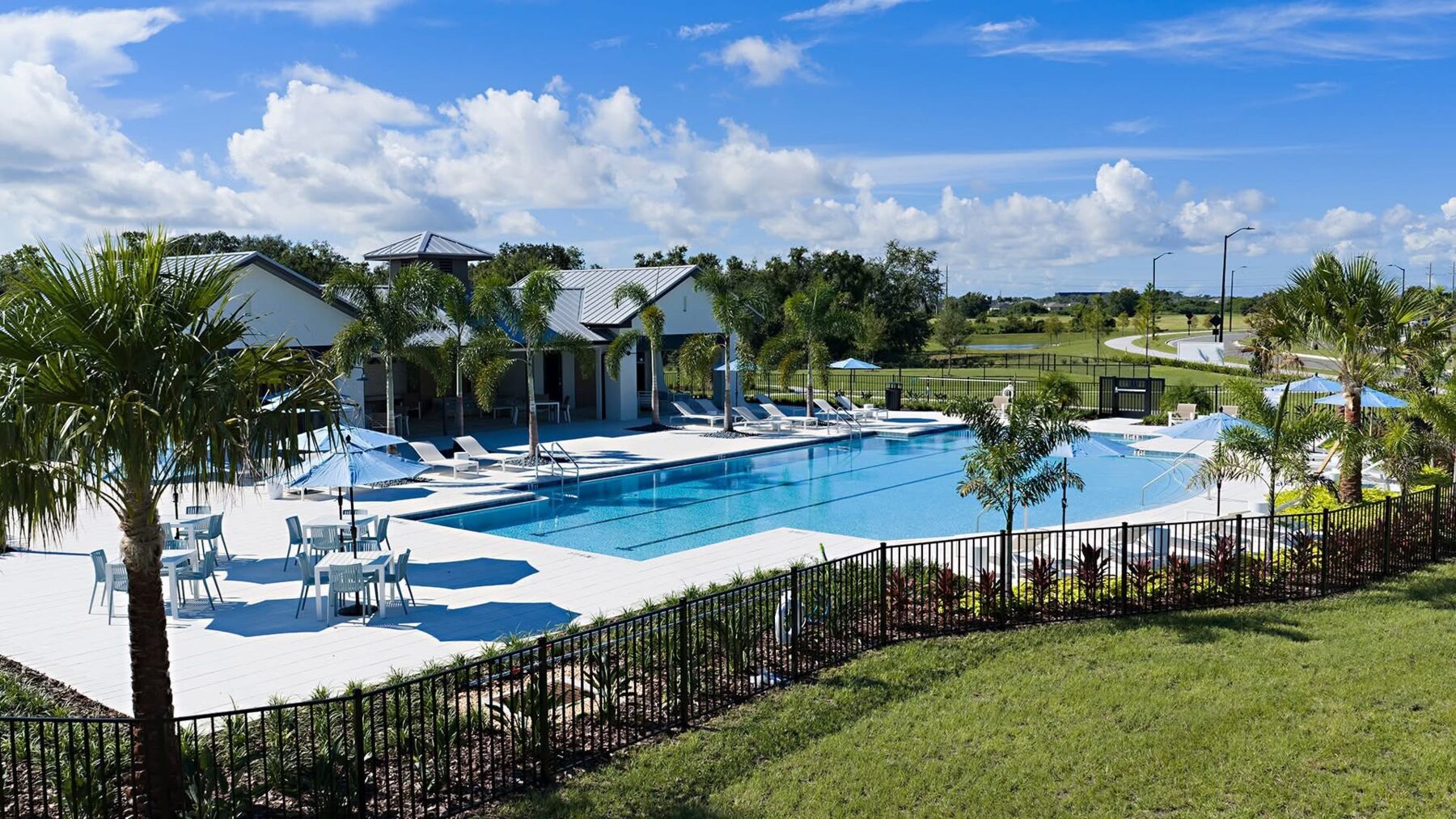
Living in Palmetto, FL
By browsing, you accept our terms of use and privacy policy.


