

New Construction Home Warranty: What You Should Know


 )
)
San Antonio continues to stand out as a cornerstone of Texan culture and economic resilience, blending a deep military heritage with a rapidly expanding tech and healthcare sector. As 2026 progresses, the local real estate environment has shifted into a neutral gear, moving away from the high-speed competition of years past. For those looking to plant roots in the Alamo City, the current landscape offers a rare combination of ample selection and increased room for negotiation.
Recent data confirms that the market has hit a significant reset point, favoring purchasers who were previously sidelined. San Antonio has entered 2026 with a notable 15% to 18% increase in active listings compared to last year.
According to Park Properties Group and the San Antonio Market Update, the city is moving toward a "buyer-leaning" balance, where homes are staying on the market longer and sellers are increasingly motivated to work with interested parties.
To navigate this evolving landscape, here are 4 key pillars shaping the San Antonio housing market in 2026.
The availability of homes in the San Antonio-New Braunfels metro has reached a robust level, with approximately 5.5 to 6.1 months of supply currently on the market. Data from the St. Louis Fed (FRED) indicates that active listings are hovering near 15,000 to 16,000 units across the broader metro area.
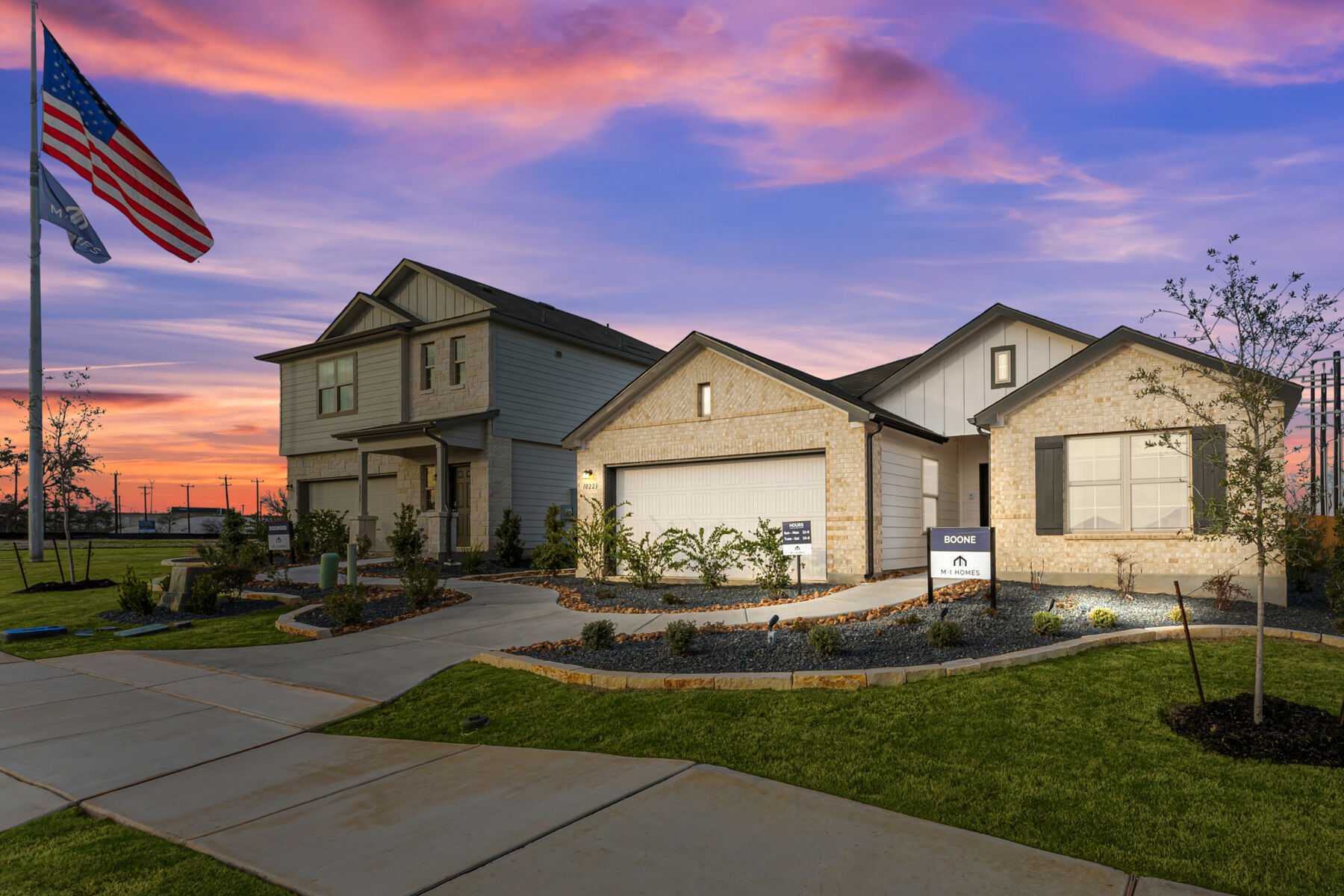
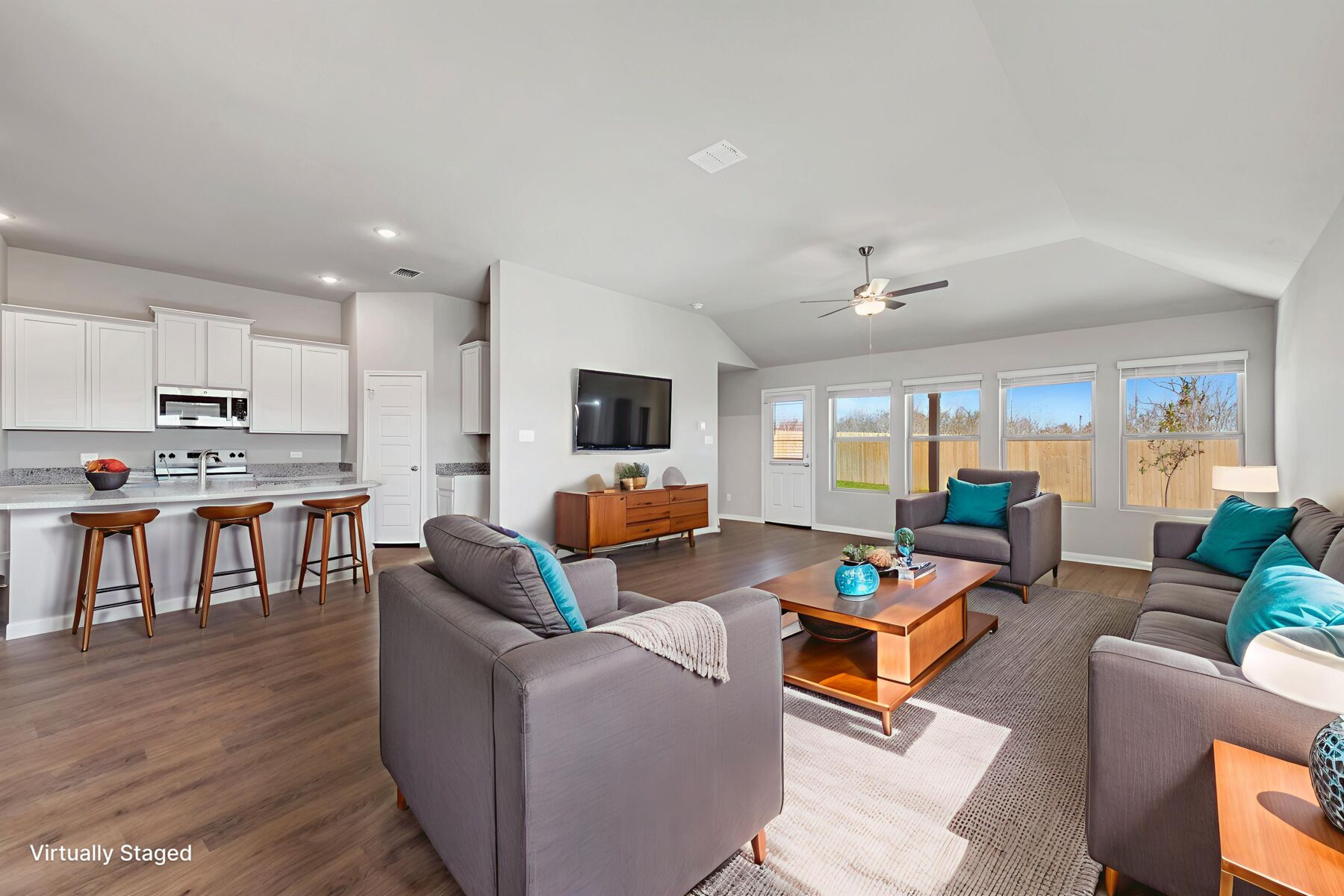
This level of inventory represents a move toward market equilibrium not seen in several years. Whether you're hunting for a home in the suburbs of New Braunfels or a single-story build in East San Antonio with the owner's suite in its own private corner, you now have the leverage to shop multiple properties and avoid any panic-buying pressure of years past.
The median home price in San Antonio has settled into a predictable zone, ranging from $260,000 to $316,850 depending on closed sale averages versus active seller list prices. Market snapshots from Houzeo and Zillow reveal that price appreciation has cooled to a steady, manageable pace. This stability is a massive win for buyer budgets, ensuring that your purchasing power goes further in 2026.
While San Antonio remains more affordable than other major Texas metros, the rental market is undergoing its own transition. Average apartment rents currently sit around $1,250 to $1,382, but single-family house rentals average closer to $1,800 to $2,000. According to data from RentCafe and Zumper, the monthly cost difference between a lease and a mortgage has narrowed significantly.
In growing areas like Converse or Schertz, the long-term math of equity building is increasingly favorable. By moving into homeownership in 2026, buyers can lock in their housing costs in a city that continues to attract a steady flow of residents due to its lower cost of living relative to the national average.
With homes spending an average of 48 to 79 days on the market (and median days to pending sitting near 34 to 61 days), the "take it or leave it" era has vanished. The 2026 forecast highlights a resurgence of seller-funded perks designed to close deals. According to Texas Public Radio and local real estate analysts, buyers have more wiggle room than they've seen in a decade.
Common incentives currently appearing in San Antonio contracts include:
For those looking for a new home, these incentives can provide the necessary bridge to turn a "maybe" into a "yes."
Yes, now is a good time to buy a home in San Antonio. For those seeking long-term stability in a region known for its affordability and high growth potential, the 2026 San Antonio market offers a unique strategic window.
The market is no longer a frantic race; it’s an environment where buyers can perform due diligence and find a home that fits their life. While every neighborhood has its own rhythm, the overall conditions in 2026 are the most buyer-friendly the city has seen in years.
There are active options in several premier San Antonio-area communities, offering modern construction and energy-efficient designs. If you’re ready to stop renting and start building equity, now is a fantastic time to see how the current market can work in your favor.
New Construction Home Warranty: What You Should Know

Your Guide to Buying a Home Out of State
By browsing, you accept our terms of use and privacy policy.


