
New Construction Home Warranty: What You Should Know

 )
)
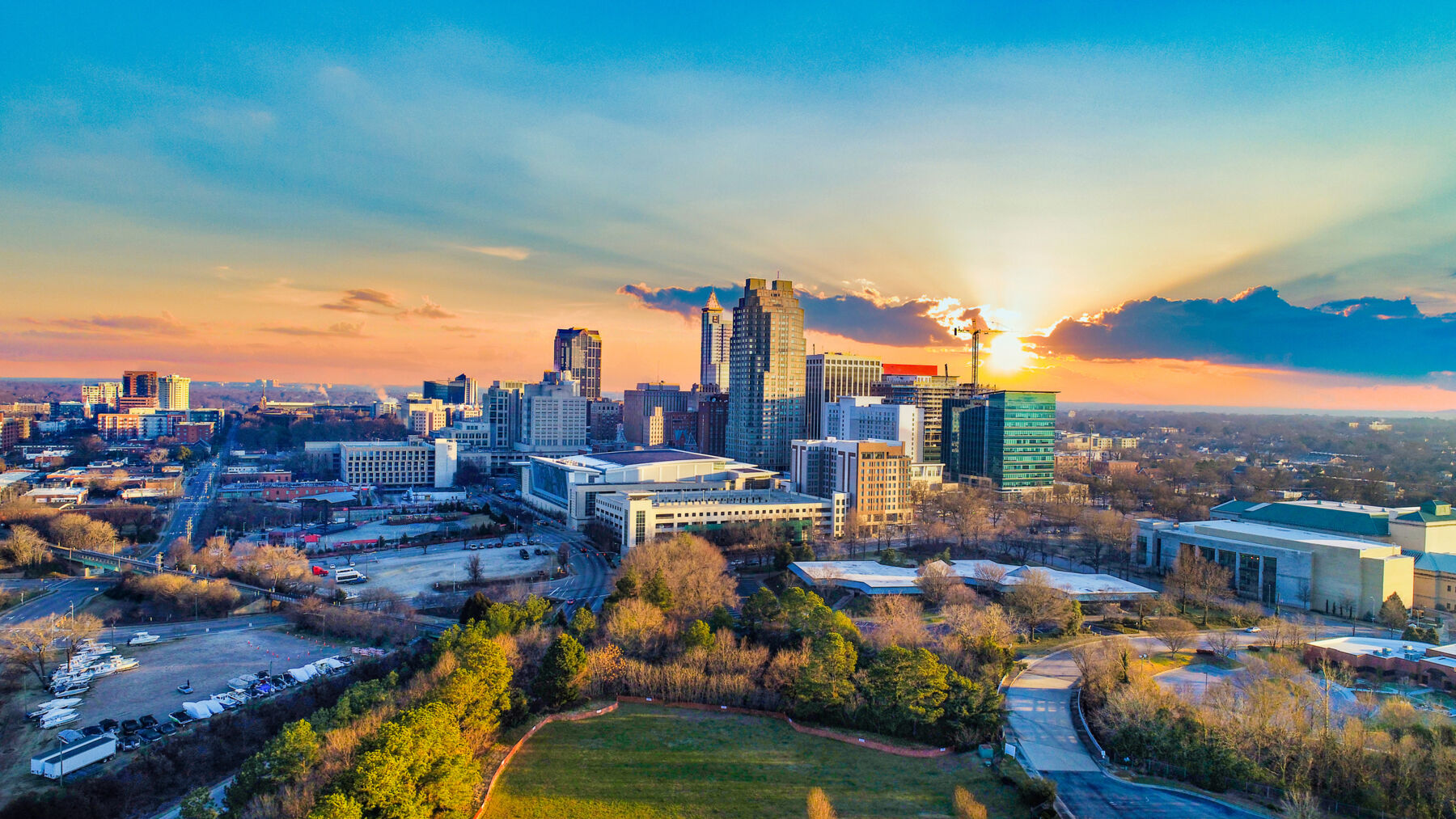
The Research Triangle continues to flourish as a premier global hub for biotech, software, and higher education. As we move deeper into 2026, the Raleigh housing landscape has transitioned from a period of high-speed competition into a more measured, analytical phase.
For those looking to establish themselves in Wake County, the current data points toward a rare alignment of increased choice and moderated pricing that favors a well-planned move.
Recent analytics indicate that the market's previous velocity has shifted, providing a high-value window for purchasers who prioritize due diligence over split-second decisions. Raleigh has moved into a "balanced" state, a departure from the extreme seller-dominated cycles of the early 2020s. This transformation is anchored by a 24% surge in active inventory and a move toward sustainable growth patterns.
According to Taylored Realty Group and local MLS reports, the Triangle area is currently witnessing a stabilization that offers buyers the structural predictability required for a sound long-term investment.
To navigate this refined environment, here are 4 key pillars shaping the Raleigh housing market in 2026.
The availability of homes in the Raleigh-Cary metro area has undergone a significant expansion, with active listings reaching approximately 5,787 units in June of 2026. This level of supply, as tracked by the St. Louis Fed (FRED), represents the most robust selection of properties for Triangle buyers since 2020.
Whether you are targeting a townhome in Apex or a single family home outside of Raleigh, this inventory surge grants you the freedom to compare floorplans and neighborhood amenities without the typical pressure of immediate multi-offer situations.
The median sale price in Raleigh has settled into a comfortable range, currently hovering around $425,000. Unlike the volatile price runs seen in previous seasons, Redfin and local market analysts report that annual appreciation has returned to a natural rhythm of roughly 2.5%. This shift prevents "appreciation fatigue," where prices outpace savings, allowing your budget to remain consistent throughout your search.
Furthermore, seller expectations are becoming more grounded. Currently, nearly 49% of homes in popular suburbs like Fuquay-Varina have undergone price adjustments, and properties across the metro are selling at a median of 97.5% of their list price. This creates a functional environment where buyers can negotiate based on current condition and fair market value rather than peak historical highs.
Raleigh's rental market remains dense, with the average apartment rent sitting at approximately $1,395. However, for those seeking the space of a single-family home, monthly rents frequently exceed $1,998 to $2,500.
Data from Apartments.com suggests that while ownership carries a higher initial monthly commitment, the long-term wealth gap is widening. Transitioning to ownership in 2026 allows you to bypass the rising "lock-in" effect of professional landlords and begin capturing the 3-5% annual equity growth projected for Wake County.
Perhaps the most distinct shift in 2026 is the average time properties remain on the market, which has stretched to a median of 46 to 50 days. This slower tempo has dismantled the "as-is" culture of the past, as evidenced by FRED market hotness data. Buyers are once again successfully incorporating seller-funded concessions into their purchase agreements.
Common incentives appearing in today's Raleigh contracts include:
For those looking in high-demand pockets like Apex or Holly Springs, these concessions provide the necessary leverage to secure a home that aligns with both lifestyle needs and long-term financial goals.
For those seeking stability in a region backed by a resilient tech and healthcare economy, the 2026 Raleigh market offers a rare combination of ample inventory and price predictability. The market is no longer a sprint; it’s a strategic environment where buyers can perform due diligence, negotiate from a position of strength, and find a home that truly fits their life. While a "smart buy" still requires preparation, the conditions in early 2026 are the most favorable for purchasers in recent memory.
M/I Homes is active in several premier Raleigh-area communities, offering modern construction and energy-efficient designs. If you’re ready to stop renting and start building equity, now is a fantastic time to see how the current market can work in your favor.
New Construction Home Warranty: What You Should Know

Your Guide to Buying a Home Out of State
By browsing, you accept our terms of use and privacy policy.


