

New Construction Home Warranty: What You Should Know


 )
)
Chicago has long been defined by its architectural legacy, world-class lakefront, and a resilient job market anchored by finance, healthcare, and logistics. As the housing market moves into 2026, many residents are asking a familiar question. Is now a good time to buy a house in Chicago?
Current research confirms that 2026 is a great time for buyers to enter the Chicago market. To better understand what is happening right now, here are 4 key facts shaping the Chicago housing market in 2026.
Chicago currently has approximately 13,809 active residential listings as of June 2026. While the winter months typically see a seasonal dip, this current supply represents a steady recovery from the historic lows of the last three years.
For buyers, this means you no longer have to compromise on your must-haves. Whether you are looking for a townhome in Plainfield or a single family home in Oswego, the current inventory levels allow you to be more selective in your search.
The median home sale price in the Chicagoland area is approximately $381,000 as of May 2026. Chicago remains a high-value market, with the median sale price of a home appreciating 6.3% year-over-year, according to Redfin—more than the national average, making your investment in a home now incredibly valuable for building equity.
Chicago’s rental market continues to reflect steady demand across its diverse neighborhoods. Apartments.com reports a median rent of roughly $2,055 per month as of July 2026, a 2% increase over the previous year. While rent growth has slowed, prices remain at historic highs.
For many residents, this dynamic reinforces the appeal of homeownership. In a market where average rents for two-bedroom units often exceed $2,400, many buyers find that securing a fixed mortgage payment offers a more predictable long-term housing solution than navigating annual lease renewals.
The pace of the Chicago market has transitioned from the frenetic speed of the pandemic era to a much more manageable tempo. According to recent market data, homes in Chicago are now spending a median of 47 days on the market before securing a contract. This shift reflects a market that is functioning efficiently without the unsustainable pressure of years past.
Incentives, such as closing cost credits or mortgage rate buydowns, are more common in 2026 as sellers—including home builders—work to stand out in a more balanced environment.
Yes, now is a good time to buy a house in Chicago. With more homes available, a more balanced market, and less competition than in recent years, buyers have greater flexibility to find a home that fits their needs and budget. Combined with the long-term benefits of homeownership and building equity over time, today's market presents meaningful opportunities for those ready to make a move.
This perspective is supported by third-party market data and national economic research, reflecting a market that has matured while remaining fundamentally desirable.
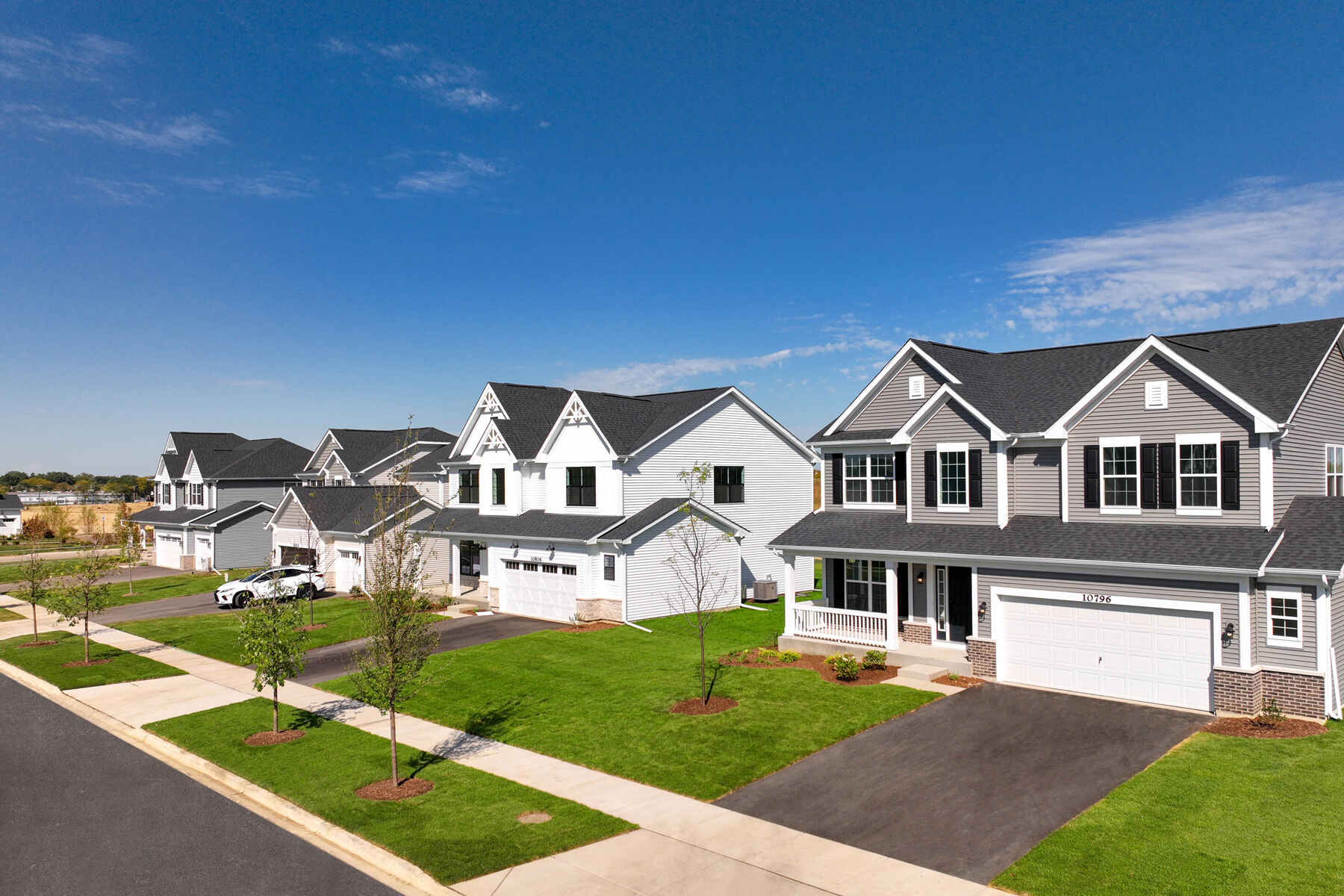
M/I Homes is building new homes in several Chicago-area communities, offering buyers an opportunity to explore modern designs and growing neighborhoods throughout the metro. To learn more, you can explore our current new home opportunities or see how our latest floorplans fit your lifestyle.
If you are considering a move, now is a great time to explore your options and better understand what today’s Chicago housing market has to offer.
New Construction Home Warranty: What You Should Know

Your Guide to Buying a Home Out of State
By browsing, you accept our terms of use and privacy policy.


