

Home Inspections in Texas: What Buyers Should Know

 )
When buying a home, energy efficiency can make a difference in both your everyday comfort and your monthly utility bills. New construction homes are often more energy efficient than older homes because they are built with modern insulation, improved air sealing, energy-efficient windows, and updated heating and cooling systems.
Here's a closer look at why new construction homes can be more energy efficient than older ones.
Building codes have become more demanding over the years, and new homes are built to the standards in place at the time of construction. That typically means better insulation levels, tighter air sealing and more efficient mechanical systems than homes built several decades ago.
Some builders go beyond the minimum requirements, and some pursue third-party programs such as ENERGY STAR® certification, which involves inspections and testing to verify performance.
Insulation is one of the most effective ways to keep outdoor heat (or cold) from making its way inside. New homes put the right type of insulation in each part of the house.
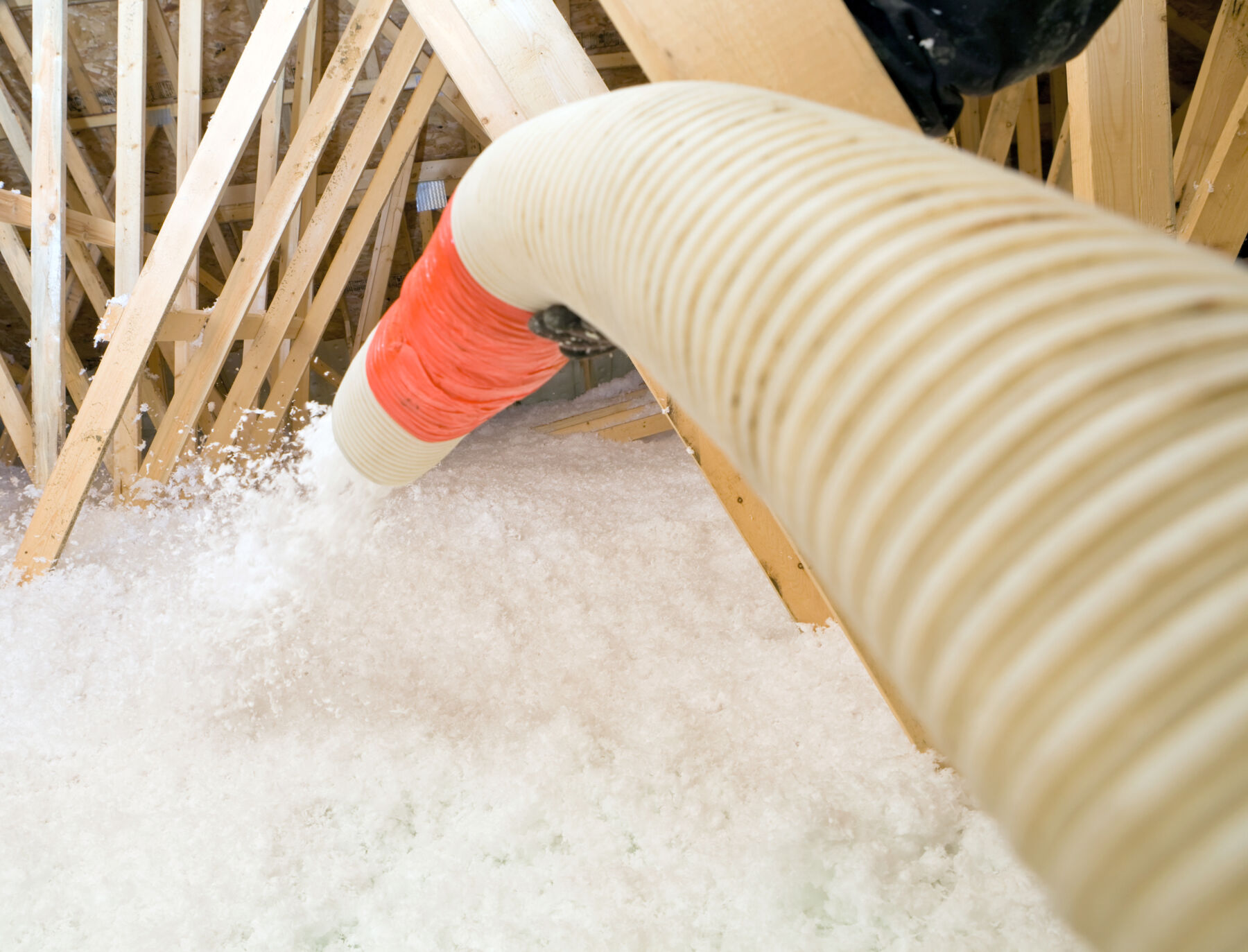
In the attic, heat rises, and in warm climates the space can become very warm. Blown-in insulation is a popular choice because it settles into small gaps and crevices where air tends to leak, creating a better seal. Many builders also add a radiant barrier to the underside of the roof decking. Radiant barriers reflect much of the radiant heat back out before it enters the attic, which helps keep temperatures more consistent throughout the home.
In the walls, batt insulation works well between interior wall studs, and exterior walls deserve just as much attention. In block construction, for example, the hollow cores can be filled with insulation. It’s an easy step to miss, but it can improve air sealing, boost R-value and even add sound dampening and pest resistance.
Older homes may have insulation that has settled, deteriorated, or never met today’s standards, and adding it after the fact can be difficult once the walls are closed up. In a new build, it goes in correctly from day one.
The structure itself plays a role in efficiency. Block construction, common in hot, humid regions, tends to be more energy efficient than traditional wood framing. It also resists moisture better and is less likely to allow mold and mildew growth. Modern framing techniques have also improved, with better sheathing, house wraps, and sealing details that reduce drafts and unwanted air movement.
The exterior matters too. Elastomeric paint, for example, helps keep wind-driven rain from penetrating exterior walls, which protects both the structure and the insulation inside it.
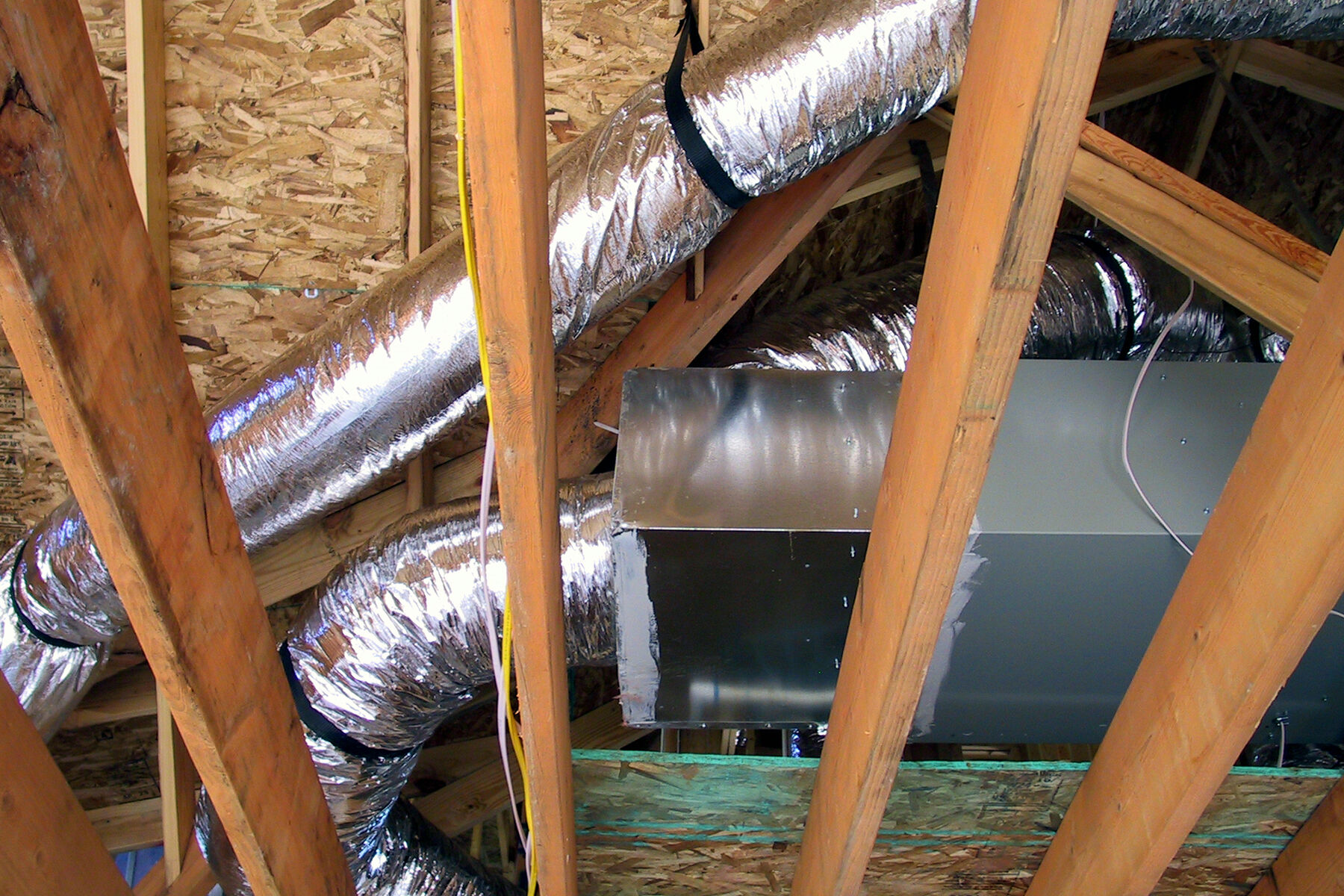
In many homes, heating and cooling is the single largest energy expense, in some cases accounting for around 40% of the utility bill. That makes the HVAC system one of the biggest opportunities for savings.
New homes benefit in a few ways:
Windows are a common source of heat gain and loss in older homes. New construction typically includes double-pane, low-E (low-emissivity) windows that reduce heat transfer and block a portion of the sun's rays. Combined with well-sealed doors and properly flashed openings, they help keep your indoor temperature steady and take some of the load off your HVAC system.
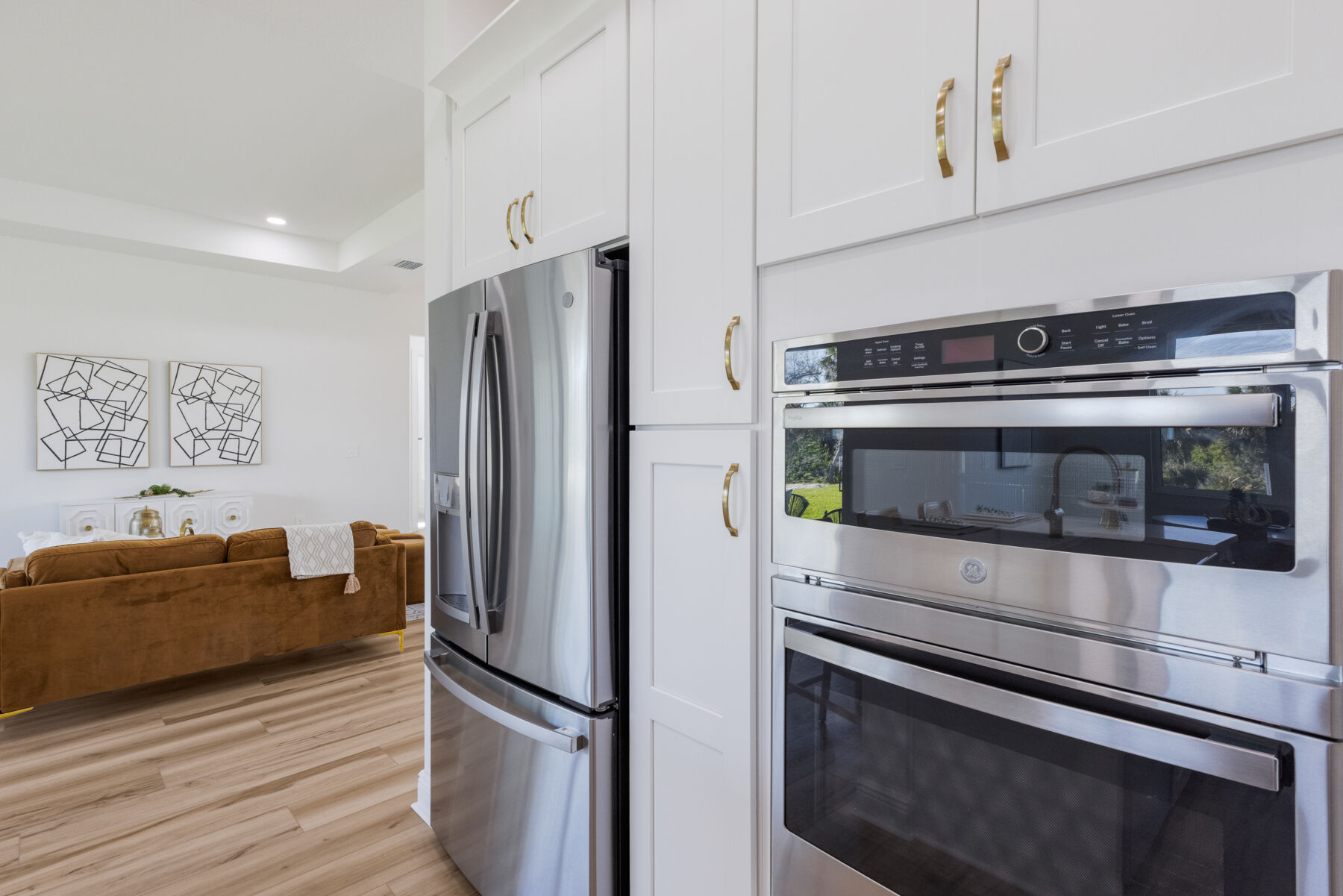
Efficiency doesn't stop at the walls. New homes are often equipped with ENERGY STAR®-rated appliances, efficient water heaters and LED lighting throughout. Many also support smart thermostats and other connected features that make it easier to manage energy use day to day.
Energy efficiency and durability go hand in hand. When a home is built with current materials, everything is new and under warranty, and the building envelope hasn't had years to develop leaks, gaps or worn-out seals. That means fewer unexpected repairs and a home that performs the way it was designed to.
Not every new home is built the same way, so it pays to ask questions. Before you buy, find out:
A knowledgeable builder will be happy to walk you through these details.
A home should be a place where you feel comfortable, and where your budget isn't strained by high energy bills. With better insulation, stronger construction methods, efficient HVAC systems, and modern windows and appliances, new construction homes are built to help you get there. The savings add up month after month, and the comfort is something you'll notice the moment you walk in the door.
If you're ready to see what a better-built home can do for your comfort and your budget, M/I Homes is here to help. Our team can walk you through how our homes are built, what goes behind the walls and above the ceilings, and what that means for you once you move in.
Browse our communities, find a floorplan you love, and reach out to our friendly Internet Sales Team to learn more.
Home Inspections in Texas: What Buyers Should Know

Living in Parrish, FL
By browsing, you accept our terms of use and privacy policy.


